

Agile and Hybrid Methods integrate the adaptability of Agile with the structured frameworks of traditional project management, such as PMI and PRINCE2. They enhance project outcomes through improved collaboration, risk management, and faster delivery. Successful implementation requires assessing current practices, gaining executive support, training, pilot projects, governance structures, and fostering a culture of continuous improvement, while overcoming challenges like resistance to change and communication barriers.
In today’s dynamic business environment, Agile and Hybrid Methods have become essential for effective project management. By combining the flexibility of Agile with the structured approach of traditional methodologies, organizations can achieve greater efficiency and adaptability. Understanding these methods and their benefits can significantly enhance your project outcomes and drive success in a competitive market.
Understanding Agile and Hybrid Methods

Agile and Hybrid Methods represent a paradigm shift in project management, focusing on flexibility, collaboration, and continuous improvement.
Agile methodologies, such as Scrum and Kanban, emphasize iterative development, where project tasks are broken down into smaller, manageable increments. This approach allows teams to respond quickly to changes and deliver value to stakeholders continuously.
Hybrid Methods, on the other hand, blend Agile principles with traditional project management frameworks like PMI and PRINCE2. This combination leverages the strengths of both approaches, providing a balanced methodology that can be tailored to the specific needs of a project.
For instance, while Agile promotes adaptability and customer collaboration, traditional methods offer robust planning and control mechanisms.
Core Principles
To understand Agile and Hybrid Methods fully, one must grasp the core principles that drive them. Agile is grounded in the Agile Manifesto, which values individuals and interactions over processes and tools, working software over comprehensive documentation, customer collaboration over contract negotiation, and responding to change over following a plan.
These values foster a culture of flexibility and responsiveness, essential in today’s fast-paced business environment.
Hybrid Methods integrate these Agile values with the structured stages of traditional project management. This integration often involves using Agile techniques for certain project phases, such as development and testing, while employing traditional methods for planning and governance.
The result is a versatile framework that can handle complex projects with varying requirements and constraints.
Consider a software development project as an example. An Agile approach might be used for the coding and testing phases, allowing for rapid iterations and feedback. Meanwhile, PRINCE2 principles could guide the project’s overall governance, ensuring that it stays aligned with business objectives and stakeholder expectations.
In summary, Agile and Hybrid Methods offer a comprehensive approach to project management, combining the best of both worlds. By understanding these methodologies, project managers can better navigate the complexities of modern projects, ensuring timely delivery and stakeholder satisfaction.
Key Benefits of Agile and Hybrid Methods
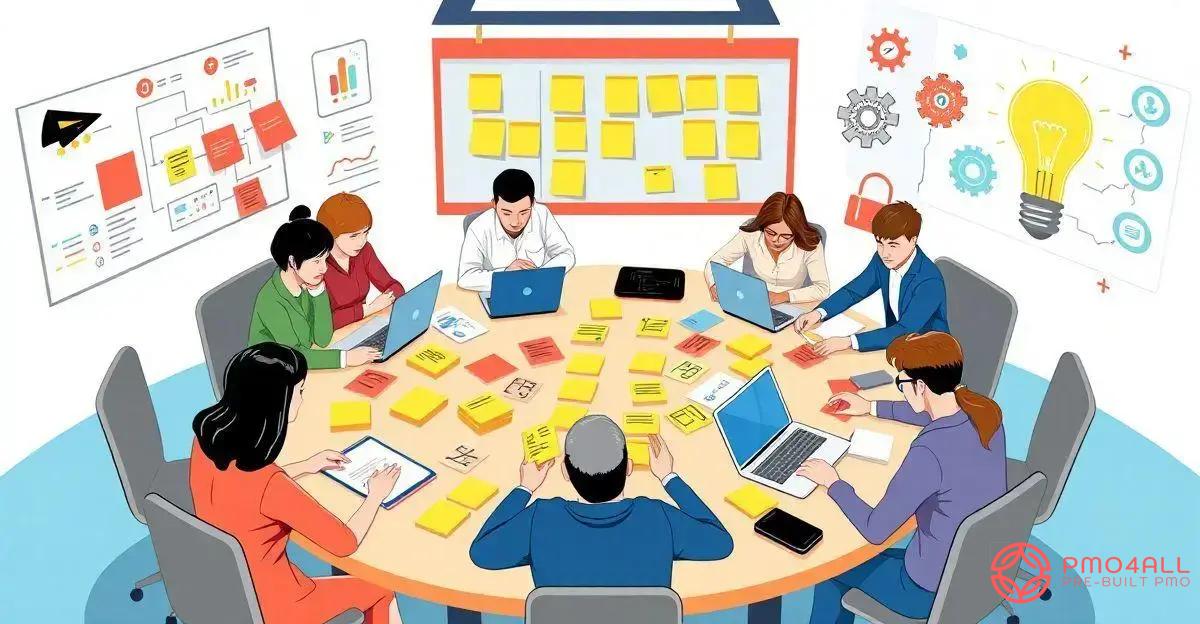
The adoption of Agile and Hybrid Methods in project management offers a multitude of benefits that can significantly enhance the efficiency and success of projects. Understanding these benefits can help organizations make informed decisions about implementing these methodologies.
One of the primary benefits of Agile Methods is increased flexibility. Agile frameworks, such as Scrum and Kanban, allow teams to adapt quickly to changes in project scope, requirements, or market conditions. This adaptability is crucial in today’s fast-paced business environment, where change is constant and often unpredictable. By embracing Agile, teams can pivot as needed, ensuring that the project remains aligned with stakeholder needs and business goals.
Another significant advantage is improved collaboration and communication. Agile promotes a culture of continuous interaction among team members, stakeholders, and customers. Regular meetings, such as daily stand-ups and sprint reviews, ensure that everyone is on the same page and that any issues are addressed promptly. This collaborative environment fosters transparency and trust, leading to more effective teamwork and better project outcomes.
Hybrid Methods
Hybrid Methods, which combine Agile with traditional project management practices, offer additional benefits. One key advantage is the balance between flexibility and control. While Agile provides the adaptability needed for dynamic project phases, traditional methods like PMI and PRINCE2 offer structured planning and governance. This combination ensures that projects are not only responsive to change but also adhere to established timelines, budgets, and quality standards.
Moreover, Hybrid Methods enhance risk management. By integrating Agile’s iterative approach with the comprehensive risk assessment techniques of traditional methodologies, project managers can identify and mitigate risks more effectively. This dual approach allows for proactive risk management, reducing the likelihood of project delays or failures.
Increased stakeholder engagement is another benefit of both Agile and Hybrid Methods. Agile’s emphasis on customer collaboration ensures that stakeholders are involved throughout the project lifecycle, providing continuous feedback and validation. This engagement leads to higher satisfaction levels, as stakeholders feel their needs and concerns are being addressed in real-time.
Lastly, Agile and Hybrid Methods can lead to faster delivery of project outcomes. Agile’s iterative cycles enable teams to deliver functional increments of the project regularly, allowing for early and frequent releases. Hybrid Methods, by incorporating Agile techniques into traditional frameworks, can also expedite project phases without compromising on quality or control.
In conclusion, the key benefits of Agile and Hybrid Methods—flexibility, improved collaboration, balanced control, enhanced risk management, increased stakeholder engagement, and faster delivery—make them invaluable tools in modern project management. Organizations that leverage these methodologies can achieve greater efficiency, adaptability, and success in their projects.
Implementing Agile and Hybrid Methods in Your Organization

Implementing Agile and Hybrid Methods in your organization requires a strategic approach to ensure a smooth transition and successful adoption. The process involves several critical steps, each designed to align the new methodologies with your organization’s unique needs and culture.
The first step is to conduct a thorough assessment of your current project management practices. This assessment should identify areas where Agile and Hybrid Methods can provide the most value. Consider factors such as project complexity, team dynamics, and stakeholder requirements. By understanding your starting point, you can tailor the implementation process to address specific challenges and opportunities.
Next, it is essential to secure executive buy-in and support. Successful implementation of Agile and Hybrid Methods often requires a cultural shift within the organization. Executive leaders play a crucial role in championing this change, providing the necessary resources, and setting the tone for the rest of the organization. Communicate the benefits of the new methodologies clearly and demonstrate how they align with the organization’s strategic goals.
Training and education are also vital components of the implementation process. Provide comprehensive training for all team members, including project managers, developers, and stakeholders. This training should cover the principles and practices of Agile and Hybrid Methods, as well as specific frameworks like Scrum, Kanban, PMI, and PRINCE2. Ongoing education and support will help ensure that everyone is comfortable with the new approaches and can apply them effectively.
Pilot projects are an excellent way to introduce Agile and Hybrid Methods gradually. Select a few projects that are well-suited for these methodologies and use them as test cases. Monitor the progress of these pilot projects closely, gathering feedback and making adjustments as needed. Successful pilot projects can serve as proof of concept, demonstrating the value of Agile and Hybrid Methods and building momentum for broader adoption.
Another critical aspect of implementation is the establishment of Agile and Hybrid governance structures. Define clear roles and responsibilities for team members, including Agile roles such as Scrum Masters and Product Owners. Develop processes for planning, executing, and monitoring projects, ensuring that they incorporate both Agile and traditional elements as appropriate. This governance framework will provide the structure needed to manage projects effectively while maintaining the flexibility to adapt to changes.
Finally, foster a culture of continuous improvement. Agile and Hybrid Methods emphasize iterative development and regular reflection. Encourage teams to hold retrospectives at the end of each iteration or project phase, discussing what went well, what could be improved, and how to implement those improvements in future work. This commitment to continuous improvement will help your organization refine its practices over time, maximizing the benefits of Agile and Hybrid Methods.
In summary, implementing Agile and Hybrid Methods in your organization involves assessing current practices, securing executive support, providing training, conducting pilot projects, establishing governance structures, and fostering a culture of continuous improvement. By following these steps, you can successfully integrate these methodologies into your organization, enhancing project outcomes and driving business success.
Challenges and Solutions in Agile and Hybrid Methods
While Agile and Hybrid Methods offer numerous benefits, their implementation is not without challenges. Understanding these challenges and developing effective solutions is crucial for successful adoption and sustained use.
One common challenge is resistance to change. Agile and Hybrid Methods often require a significant shift in organizational culture and mindset. Employees who are accustomed to traditional project management practices may be hesitant to adopt new methodologies. To address this, it is essential to communicate the benefits of Agile and Hybrid Methods clearly and provide adequate training and support. Engaging employees in the transition process and addressing their concerns can also help mitigate resistance.
Another challenge is the lack of experience and expertise. Agile and Hybrid Methods require specific skills and knowledge that may not be present within the organization. Investing in comprehensive training programs and hiring experienced Agile practitioners can help bridge this gap. Additionally, leveraging external consultants or partnering with organizations that specialize in Agile and Hybrid Methods can provide valuable guidance and support.
Maintaining effective communication and collaboration can also be challenging, especially in large or distributed teams. Agile emphasizes continuous interaction and feedback, which can be difficult to achieve without the right tools and processes. Implementing collaboration tools such as project management software, communication platforms, and version control systems can facilitate better communication and coordination among team members. Regular meetings, such as daily stand-ups and sprint reviews, can also help keep everyone aligned and informed.
Balancing flexibility with control
is another common challenge in Hybrid Methods. While Agile promotes adaptability, traditional project management frameworks emphasize planning and control. Finding the right balance between these approaches can be difficult. One solution is to define clear roles and responsibilities for team members, ensuring that both Agile and traditional practices are integrated effectively. Establishing a governance framework that incorporates elements of both methodologies can also provide the necessary structure while allowing for flexibility.
Managing stakeholder expectations is crucial in Agile and Hybrid Methods. Agile’s iterative approach means that project outcomes may evolve over time, which can be unsettling for stakeholders who are used to fixed plans and timelines. Regular communication and involvement of stakeholders throughout the project lifecycle can help manage their expectations and ensure their needs are addressed. Providing frequent updates and involving stakeholders in decision-making processes can also enhance their engagement and satisfaction.
Lastly, ensuring consistent delivery of quality is a challenge in Agile and Hybrid Methods. The iterative nature of Agile can sometimes lead to rushed or incomplete work if not managed properly. Implementing robust quality assurance practices, such as continuous testing, code reviews, and automated testing, can help maintain high standards. Encouraging a culture of continuous improvement and learning can also drive teams to consistently deliver quality outcomes.
In conclusion, while there are challenges in implementing Agile and Hybrid Methods, they can be effectively managed with the right strategies. By addressing resistance to change, investing in training and expertise, enhancing communication and collaboration, balancing flexibility with control, managing stakeholder expectations, and ensuring consistent quality, organizations can successfully adopt and sustain these methodologies, reaping their numerous benefits.
In conclusion, Agile and Hybrid Methods represent a transformative approach to project management, offering a blend of flexibility, collaboration, and structured governance.
By understanding the core principles of these methodologies, organizations can leverage their key benefits, such as increased adaptability, improved communication, balanced control, enhanced risk management, and faster delivery of project outcomes.
Implementing Agile and Hybrid Methods requires a strategic and well-planned approach. This involves assessing current practices, securing executive support, providing comprehensive training, conducting pilot projects, establishing governance structures, and fostering a culture of continuous improvement. These steps ensure that the transition is smooth and that the methodologies are effectively integrated into the organization.
However, the journey is not without its challenges. Resistance to change, lack of expertise, communication barriers, balancing flexibility with control, managing stakeholder expectations, and maintaining consistent quality are common hurdles.
Addressing these challenges with targeted solutions, such as clear communication, robust training programs, effective collaboration tools, and strong governance frameworks, can pave the way for successful adoption.
Ultimately, Agile and Hybrid Methods offer a robust framework for navigating the complexities of modern projects. By embracing these methodologies, organizations can enhance their project management capabilities, achieve better project outcomes, and drive business success in an increasingly dynamic and competitive environment.
The journey towards Agile and Hybrid adoption is a continuous one, marked by learning, adaptation, and improvement, ensuring that organizations remain resilient and responsive to change.
Frequently Asked Questions about Agile and Hybrid Methods
What are Agile and Hybrid Methods?
Agile Methods focus on flexibility, collaboration, and iterative development, while Hybrid Methods combine Agile principles with traditional project management frameworks like PMI and PRINCE2 to provide a balanced approach.
What are the key benefits of Agile and Hybrid Methods?
The key benefits include increased flexibility, improved collaboration, balanced control, enhanced risk management, increased stakeholder engagement, and faster delivery of project outcomes.
How can my organization implement Agile and Hybrid Methods?
Implementation involves assessing current practices, securing executive support, providing comprehensive training, conducting pilot projects, establishing governance structures, and fostering a culture of continuous improvement.
What challenges might we face when adopting Agile and Hybrid Methods?
Common challenges include resistance to change, lack of expertise, communication barriers, balancing flexibility with control, managing stakeholder expectations, and maintaining consistent quality.
How can we overcome resistance to change when implementing Agile and Hybrid Methods?
Clear communication of benefits, comprehensive training, engaging employees in the transition process, and addressing their concerns can help mitigate resistance to change.
What tools can facilitate better communication and collaboration in Agile and Hybrid projects?
Collaboration tools such as project management software, communication platforms, and version control systems, along with regular meetings like daily stand-ups and sprint reviews, can enhance communication and coordination among team members.


Leave A Comment