


Mastering advanced project management practices, such as Agile methodologies, risk management, data analytics, and enhanced communication, is essential for successfully navigating complex projects. These strategies improve flexibility, informed decision-making, and team collaboration, while integrating sustainability aligns projects with corporate social responsibility, ultimately elevating project efficiency and stakeholder value.
In today’s fast-paced business environment, mastering advanced project management practices is essential for ensuring efficiency and success. Whether you’re dealing with complex projects or striving to enhance team collaboration, understanding and applying these practices can make a significant difference. From leveraging agile methodologies to integrating sustainability, these strategies will help you navigate the complexities of modern project management with confidence.
Leveraging Agile Methodologies for Complex Projects
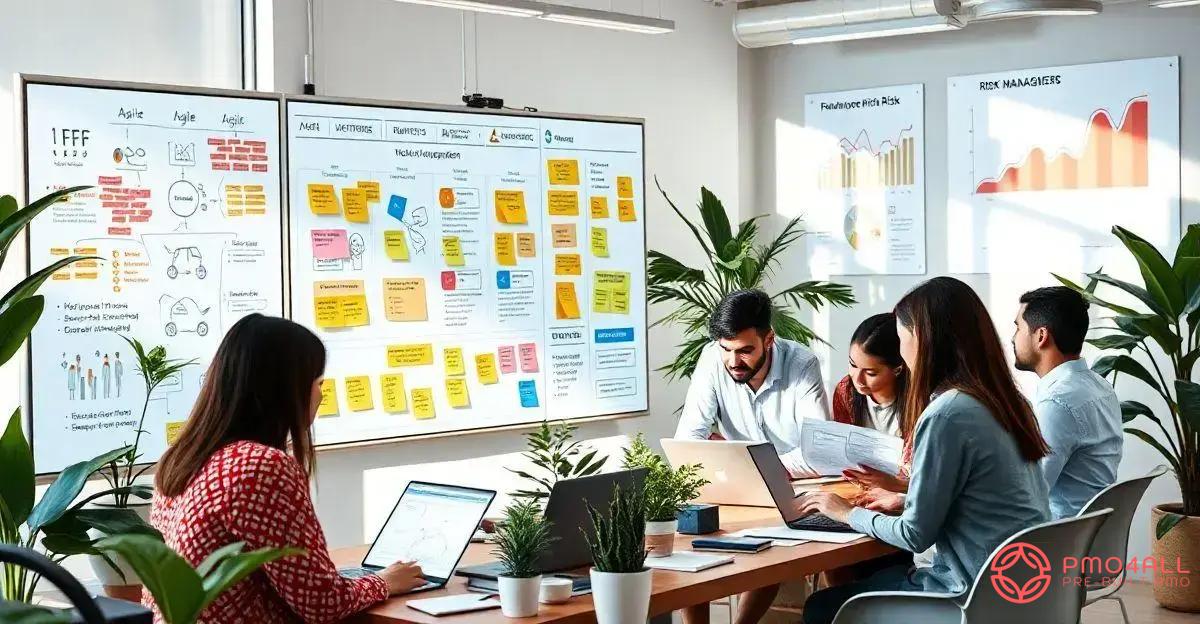
Leveraging Agile Methodologies for Complex Projects: Agile methodologies have become indispensable in managing complex projects, particularly in environments characterized by rapid change and uncertainty. By focusing on iterative development, Agile allows project teams to adapt quickly to evolving requirements and stakeholder feedback. This flexibility is crucial in complex projects where traditional linear approaches may falter.
One of the core principles of Agile is the division of work into small, manageable increments known as sprints. Each sprint typically lasts between one to four weeks, during which a specific set of tasks is completed. This iterative process not only enhances the team’s ability to respond to changes but also ensures continuous delivery of value to stakeholders. For instance, in software development projects, Agile methodologies enable teams to release functional software at the end of each sprint, providing immediate value and allowing for early detection of issues.
Another significant advantage of Agile is its emphasis on collaboration and communication. Agile frameworks such as Scrum and Kanban promote regular interactions among team members through daily stand-up meetings, sprint reviews, and retrospectives. These interactions foster a culture of transparency and collective problem-solving, which is particularly beneficial in complex projects where diverse expertise is required. For example, in a multidisciplinary project involving software developers, designers, and business analysts, Agile practices ensure that all perspectives are considered, leading to more comprehensive solutions.
Moreover, Agile methodologies incorporate continuous feedback loops, which are vital for managing complex projects. By regularly soliciting feedback from stakeholders and end-users, project teams can make informed decisions and adjustments throughout the project lifecycle. This approach not only mitigates risks but also aligns the project outcomes with stakeholder expectations. For instance, in a product development project, continuous feedback can help identify market needs and preferences early, allowing the team to pivot and refine the product accordingly.
In conclusion, leveraging Agile methodologies for complex projects offers numerous benefits, including enhanced flexibility, improved collaboration, and continuous delivery of value. By adopting Agile practices, project managers can navigate the complexities of modern projects more effectively, ensuring successful outcomes and stakeholder satisfaction.
Implementing Risk Management Strategies
Implementing Risk Management Strategies: Effective risk management is a cornerstone of successful project management, particularly in complex and high-stakes projects. Implementing robust risk management strategies involves identifying potential risks, assessing their impact, and developing mitigation plans to address them proactively. This systematic approach helps project managers minimize uncertainties and ensure smoother project execution.
The first step in risk management is risk identification. This involves brainstorming sessions, expert consultations, and reviewing historical data to uncover potential risks that could affect the project. Tools such as SWOT analysis (Strengths, Weaknesses, Opportunities, Threats) and PESTLE analysis (Political, Economic, Social, Technological, Legal, Environmental) are commonly used to identify risks comprehensively. For example, in a construction project, risks might include regulatory changes, supply chain disruptions, or adverse weather conditions.
Once risks are identified, the next step is risk assessment. This involves evaluating the likelihood and impact of each risk to prioritize them effectively. Techniques such as qualitative risk analysis, which uses probability and impact matrices, and quantitative risk analysis, which employs statistical methods, are instrumental in this phase. For instance, in an IT project, a qualitative risk analysis might reveal that data breaches have a high impact but low probability, guiding the team to allocate resources accordingly.
After assessing the risks, developing risk mitigation plans is crucial.
These plans outline specific actions to reduce the likelihood or impact of identified risks. Mitigation strategies can include risk avoidance, risk transfer (e.g., through insurance), risk reduction, and risk acceptance. For example, in a manufacturing project, risk mitigation might involve diversifying suppliers to avoid dependency on a single source, thereby reducing the risk of supply chain disruptions.
Monitoring and controlling risks throughout the project lifecycle is also essential. This involves regular risk reviews, updating risk registers, and adjusting mitigation plans as necessary. Tools such as risk dashboards and key risk indicators (KRIs) help project managers track risks in real-time and make informed decisions. For instance, in a financial services project, a risk dashboard might display real-time data on market fluctuations, enabling the team to respond swiftly to emerging risks.
In conclusion, implementing effective risk management strategies is vital for navigating the complexities of modern projects. By systematically identifying, assessing, and mitigating risks, project managers can enhance project resilience, reduce uncertainties, and achieve successful outcomes. These strategies not only protect the project from potential pitfalls but also build stakeholder confidence and trust.
Utilizing Data Analytics for Project Decisions

In the era of big data, leveraging data analytics for project decision-making has become a critical competency for project managers. Data analytics provides actionable insights that can enhance decision-making, optimize resource allocation, and improve project outcomes. By systematically collecting, analyzing, and interpreting data, project managers can make informed decisions that drive project success.
The first step in utilizing data analytics is data collection. This involves gathering relevant data from various sources, such as project management software, financial systems, and stakeholder feedback. Ensuring data accuracy and completeness is crucial at this stage. For example, in a marketing campaign project, data might be collected from customer surveys, social media analytics, and sales reports to provide a comprehensive view of the project’s performance.
Once data is collected, the next step is data analysis. This involves using statistical and analytical tools to identify patterns, trends, and correlations within the data. Techniques such as descriptive analytics, which summarizes historical data, and predictive analytics, which forecasts future trends, are commonly used. For instance, in a software development project, predictive analytics might be used to estimate project timelines based on historical performance data, helping the team plan more effectively.
Data Visualization
Data visualization is another critical aspect of data analytics. By presenting data in visual formats such as charts, graphs, and dashboards, project managers can communicate insights more effectively to stakeholders. Visualization tools like Tableau and Power BI are widely used to create interactive and intuitive visualizations. For example, in a construction project, a dashboard displaying real-time progress metrics can help stakeholders quickly grasp the project’s status and identify any areas of concern.
Moreover, data-driven decision-making involves integrating analytics into the project management process. This means using data insights to inform key decisions such as resource allocation, risk management, and performance evaluation. For instance, in a healthcare project, data analytics might reveal that certain tasks are consistently causing delays, prompting the project manager to reallocate resources or adjust timelines to mitigate the issue.
Finally, continuous monitoring and improvement are essential for effective data analytics. This involves regularly updating data, refining analytical models, and adjusting strategies based on new insights. Tools such as machine learning algorithms can enhance this process by continuously learning from data and improving predictions over time. For example, in a logistics project, machine learning models might optimize delivery routes based on real-time traffic data, improving efficiency and reducing costs.
In conclusion, utilizing data analytics for project decisions empowers project managers to make informed, evidence-based decisions that enhance project performance. By systematically collecting, analyzing, and visualizing data, project managers can uncover valuable insights, optimize resources, and drive successful project outcomes. Embracing data analytics not only improves decision-making but also builds a culture of continuous improvement and innovation.
Enhancing Communication and Collaboration

Integrating Sustainability into Project Management: Incorporating sustainability into project management practices is increasingly recognized as essential for long-term success and corporate responsibility. Sustainable project management involves considering environmental, social, and economic impacts throughout the project lifecycle, ensuring that projects contribute positively to society and the planet while achieving their objectives.
The first step in integrating sustainability is to define clear sustainability goals and objectives. This involves identifying the key areas where the project can make a positive impact, such as reducing carbon emissions, minimizing waste, or enhancing community well-being. For example, in a construction project, sustainability goals might include using eco-friendly materials, implementing energy-efficient designs, and ensuring fair labor practices.
Once sustainability goals are established, incorporating them into the project planning process is crucial. This involves developing a sustainability plan that outlines specific actions, responsibilities, and timelines for achieving the goals. Techniques such as the Triple Bottom Line (TBL) approach, which considers environmental, social, and economic factors, can be useful in this phase. For instance, in a manufacturing project, the sustainability plan might include initiatives to reduce water usage, improve worker safety, and support local suppliers.
Engaging stakeholders is another critical aspect of sustainable project management. This involves collaborating with stakeholders to understand their sustainability expectations and incorporating their feedback into the project plan. Techniques such as stakeholder mapping and engagement workshops can help identify key stakeholders and foster meaningful dialogue. For example, in an urban development project, engaging with local communities, government agencies, and environmental organizations can ensure that the project aligns with broader sustainability goals and addresses stakeholder concerns.
Monitoring and reporting on sustainability performance is essential for ensuring accountability and continuous improvement. This involves tracking key sustainability metrics, such as energy consumption, waste generation, and social impact, and regularly reporting on progress to stakeholders. Tools such as sustainability dashboards and performance scorecards can facilitate this process. For instance, in an IT project, a sustainability dashboard might track metrics related to data center energy efficiency, e-waste recycling, and employee well-being.
Moreover, fostering a culture of sustainability within the project team is vital for achieving long-term success. This involves educating team members about sustainability principles, encouraging sustainable practices, and recognizing and rewarding contributions to sustainability goals. Techniques such as sustainability training programs, green team initiatives, and sustainability awards can help build a culture of sustainability. For example, in a corporate office project, implementing a green team to lead recycling initiatives and energy-saving campaigns can promote sustainable behaviors among employees.
In conclusion, integrating sustainability into project management is essential for achieving long-term success and fulfilling corporate social responsibility. By defining clear sustainability goals, incorporating them into project planning, engaging stakeholders, monitoring performance, and fostering a culture of sustainability, project managers can ensure that their projects contribute positively to society and the environment. These practices not only enhance project outcomes but also build a reputation for sustainability and responsibility.
Enhancing Communication and Collaboration: Effective communication and collaboration are fundamental to the success of any project, particularly in complex and dynamic environments. Enhancing these aspects within a project team can lead to improved problem-solving, increased innovation, and higher overall productivity. By implementing structured communication strategies and fostering a collaborative culture, project managers can ensure that all team members are aligned and working towards common goals.
One of the primary strategies for enhancing communication is establishing clear communication channels. This involves defining how information will be shared within the team and with external stakeholders. Tools such as email, instant messaging platforms, and project management software can facilitate seamless communication. For example, using a tool like Slack for real-time messaging and Trello for task management can help keep everyone informed and on the same page.
Regular meetings are another crucial component of effective communication. These include daily stand-ups, weekly progress meetings, and monthly reviews. Each type of meeting serves a specific purpose, from quick status updates to in-depth discussions on project milestones and challenges. For instance, in a software development project using Scrum, daily stand-up meetings allow team members to share their progress, discuss any blockers, and plan their tasks for the day, fostering transparency and accountability.
In addition to formal communication channels, fostering an open and inclusive communication culture is essential. Encouraging team members to voice their opinions, share ideas, and provide feedback can lead to more innovative solutions and a stronger sense of ownership. Techniques such as brainstorming sessions, feedback loops, and anonymous suggestion boxes can help create an environment where everyone feels heard and valued. For example, in a product development project, regular brainstorming sessions can generate creative ideas and solutions that might not emerge in a more hierarchical setting.
Collaboration tools also play a significant role in enhancing teamwork. Platforms like Microsoft Teams, Asana, and Jira enable team members to collaborate on tasks, share documents, and track progress in real-time. These tools not only streamline workflows but also provide a centralized repository of project information, making it easier for team members to access the data they need. For instance, in a marketing campaign project, using Asana to assign tasks, set deadlines, and monitor progress can ensure that all team members are aligned and working efficiently towards the campaign goals.
Furthermore, cross-functional collaboration is vital for complex projects that require diverse expertise. By bringing together team members from different departments and disciplines, project managers can leverage a wide range of skills and perspectives. Techniques such as cross-functional teams, joint workshops, and collaborative problem-solving sessions can facilitate this type of collaboration. For example, in a healthcare project, involving clinicians, IT specialists, and administrative staff in joint workshops can lead to more comprehensive and effective solutions.
In conclusion, enhancing communication and collaboration within a project team is crucial for achieving successful outcomes. By establishing clear communication channels, fostering an inclusive culture, utilizing collaboration tools, and promoting cross-functional teamwork, project managers can ensure that all team members are engaged, informed, and working together effectively. These strategies not only improve project performance but also contribute to a positive and productive team environment.
Integrating Sustainability into Project Management
Integrating sustainability into project management is increasingly recognized as essential for long-term success and corporate responsibility. Sustainable project management involves considering environmental, social, and economic impacts throughout the project lifecycle, ensuring that projects contribute positively to society and the planet while achieving their objectives.
The first step in integrating sustainability is to define clear sustainability goals and objectives. This involves identifying the key areas where the project can make a positive impact, such as reducing carbon emissions, minimizing waste, or enhancing community well-being. For example, in a construction project, sustainability goals might include using eco-friendly materials, implementing energy-efficient designs, and ensuring fair labor practices.
Once sustainability goals are established, incorporating them into the project planning process is crucial. This involves developing a sustainability plan that outlines specific actions, responsibilities, and timelines for achieving the goals. Techniques such as the Triple Bottom Line (TBL) approach, which considers environmental, social, and economic factors, can be useful in this phase. For instance, in a manufacturing project, the sustainability plan might include initiatives to reduce water usage, improve worker safety, and support local suppliers.
Engaging stakeholders
is another critical aspect of sustainable project management. This involves collaborating with stakeholders to understand their sustainability expectations and incorporating their feedback into the project plan. Techniques such as stakeholder mapping and engagement workshops can help identify key stakeholders and foster meaningful dialogue. For example, in an urban development project, engaging with local communities, government agencies, and environmental organizations can ensure that the project aligns with broader sustainability goals and addresses stakeholder concerns.
Monitoring and reporting on sustainability performance is essential for ensuring accountability and continuous improvement. This involves tracking key sustainability metrics, such as energy consumption, waste generation, and social impact, and regularly reporting on progress to stakeholders. Tools such as sustainability dashboards and performance scorecards can facilitate this process. For instance, in an IT project, a sustainability dashboard might track metrics related to data center energy efficiency, e-waste recycling, and employee well-being.
Moreover, fostering a culture of sustainability within the project team is vital for achieving long-term success. This involves educating team members about sustainability principles, encouraging sustainable practices, and recognizing and rewarding contributions to sustainability goals. Techniques such as sustainability training programs, green team initiatives, and sustainability awards can help build a culture of sustainability. For example, in a corporate office project, implementing a green team to lead recycling initiatives and energy-saving campaigns can promote sustainable behaviors among employees.
In conclusion, integrating sustainability into project management is essential for achieving long-term success and fulfilling corporate social responsibility. By defining clear sustainability goals, incorporating them into project planning, engaging stakeholders, monitoring performance, and fostering a culture of sustainability, project managers can ensure that their projects contribute positively to society and the environment. These practices not only enhance project outcomes but also build a reputation for sustainability and responsibility.
In conclusion, mastering advanced project management practices is essential for navigating the complexities of modern projects and achieving successful outcomes.
Leveraging Agile methodologies allows for greater flexibility and responsiveness in dynamic environments, while implementing robust risk management strategies helps mitigate uncertainties and protect project integrity.
Utilizing data analytics empowers project managers to make informed, evidence-based decisions, optimizing resource allocation and enhancing overall performance.
Enhancing communication and collaboration fosters a cohesive and productive team environment, driving innovation and problem-solving.
Integrating Sustainability
Finally, integrating sustainability into project management ensures that projects contribute positively to society and the environment, aligning with corporate social responsibility and long-term success.
By adopting these advanced practices, project managers can elevate their skills, improve project efficiency, and deliver value to stakeholders.
These strategies not only enhance project outcomes but also build a reputation for excellence and responsibility in the field of project management.
As the business landscape continues to evolve, staying abreast of these advanced practices will be crucial for maintaining a competitive edge and achieving sustained success.
Frequently Asked Questions about Advanced Project Management Practices
What are the benefits of using Agile methodologies for complex projects?
Agile methodologies offer enhanced flexibility, improved collaboration, and continuous delivery of value, making them ideal for managing complex projects. They allow teams to adapt quickly to changes and stakeholder feedback, ensuring successful outcomes.
How can risk management strategies improve project success?
Implementing risk management strategies helps identify, assess, and mitigate potential risks, reducing uncertainties and ensuring smoother project execution. This proactive approach enhances project resilience and stakeholder confidence.
Why is data analytics important in project decision-making?
Data analytics provides actionable insights that enhance decision-making, optimize resource allocation, and improve project outcomes. By systematically collecting, analyzing, and interpreting data, project managers can make informed decisions that drive project success.
What tools can enhance communication and collaboration in project teams?
Tools such as Slack, Trello, Microsoft Teams, Asana, and Jira facilitate seamless communication and collaboration. These platforms enable real-time messaging, task management, and centralized information sharing, ensuring that all team members are aligned and informed.
How can sustainability be integrated into project management?
Integrating sustainability involves defining clear sustainability goals, incorporating them into project planning, engaging stakeholders, monitoring performance, and fostering a culture of sustainability. This ensures that projects contribute positively to society and the environment.
What are the key components of effective risk management?
Effective risk management involves risk identification, risk assessment, developing mitigation plans, and continuous monitoring and control. These components help minimize uncertainties and ensure successful project outcomes.


Leave A Comment