


Preparing for the CAPM certification exam requires a solid understanding of the exam structure, utilizing key study materials such as the PMBOK Guide and CAPM prep books, and establishing a well-organized study schedule. Employing effective study techniques like active reading, mind mapping, and practicing with sample questions is essential. It’s important to avoid pitfalls like procrastination and neglecting challenging topics. By maintaining discipline and motivation, you can significantly improve your chances of passing the exam and achieving your certification goals.
Preparing for the CAPM certification exam can be a daunting task, but with the right strategies and resources, it becomes manageable and even enjoyable. Understanding the exam structure, utilizing essential study materials, and implementing effective study techniques are key to success. This article will guide you through the top strategies for effective CAPM certification exam preparation, ensuring you are well-equipped to pass with flying colors.
Understanding the CAPM Certification Exam Structure
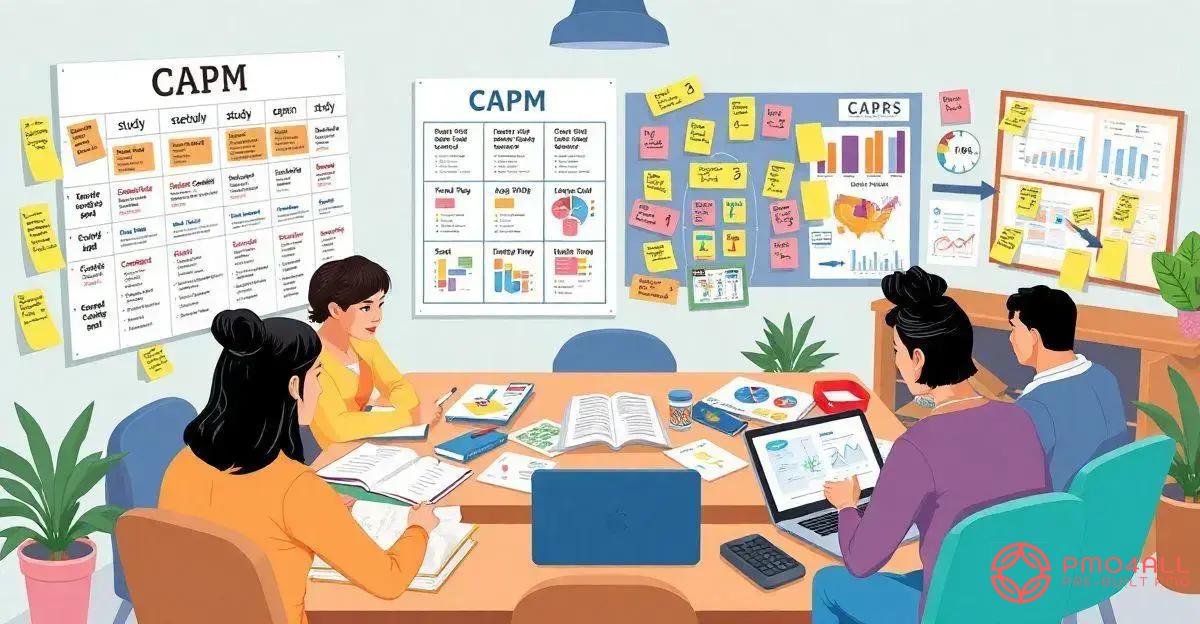
The CAPM (Certified Associate in Project Management) certification is an entry-level credential offered by the Project Management Institute (PMI). It is designed for individuals who are new to project management or those looking to validate their understanding of fundamental project management principles.
To effectively prepare for the CAPM certification exam, it is crucial to first understand its structure and format.
The CAPM exam consists of 150 multiple-choice questions, which must be completed within a three-hour time frame. These questions are designed to assess your knowledge of project management concepts as outlined in the PMBOK (Project Management Body of Knowledge) Guide. The questions are divided into several domains, each representing a different aspect of project management. These domains include:
Domains of the CAPM Exam
1. Introduction to Project Management: This domain covers the basics of project management, including definitions, the role of a project manager, and the project lifecycle.
2. Project Environment: This section focuses on the organizational environment in which projects operate, including factors that influence project success.
3. Role of the Project Manager: Here, the emphasis is on the responsibilities and competencies required of a project manager.
4. Project Integration Management: This domain covers the processes and activities needed to identify, define, combine, unify, and coordinate various project management activities.
5. Project Scope Management: This section deals with ensuring that the project includes all the work required, and only the work required, to complete the project successfully.
6. Project Schedule Management: This domain focuses on managing the timely completion of the project.
7. Project Cost Management: This section involves planning, estimating, budgeting, financing, funding, managing, and controlling costs so that the project can be completed within the approved budget.
8. Project Quality Management: This domain ensures that the project will satisfy the needs for which it was undertaken.
9. Project Resource Management: This section focuses on identifying, acquiring, and managing the resources needed for the successful completion of the project.
10. Project Communication Management: This domain involves ensuring timely and appropriate generation, collection, distribution, storage, retrieval, and ultimate disposition of project information.
11. Project Risk Management: This section covers the processes of conducting risk management planning, identification, analysis, response planning, and controlling risk on a project.
12. Project Procurement Management: This domain deals with the processes necessary to purchase or acquire products, services, or results needed from outside the project team.
13. Project Stakeholder Management: This section focuses on identifying the people, groups, or organizations that could impact or be impacted by the project, and developing appropriate management strategies.
Understanding the structure of the CAPM exam is the first step in effective preparation. By familiarizing yourself with the domains and the types of questions you will encounter, you can tailor your study plan to cover all necessary topics comprehensively. This approach will not only boost your confidence but also increase your chances of passing the exam on your first attempt.
Essential Study Materials for CAPM Exam Success

To excel in the CAPM certification exam, it is imperative to utilize a variety of study materials that comprehensively cover the exam content. The following resources are essential for effective CAPM exam preparation:
1. PMBOK Guide: The Project Management Body of Knowledge (PMBOK) Guide is the primary reference for the CAPM exam. It provides a detailed overview of project management processes, knowledge areas, and best practices. Studying the PMBOK Guide thoroughly is crucial, as the exam questions are based on its content.
2. CAPM Exam Prep Books: Several reputable publishers offer CAPM exam preparation books that complement the PMBOK Guide. These books often include simplified explanations, practice questions, and study tips. Popular options include ‘CAPM Exam Prep’ by Rita Mulcahy and ‘CAPM/PMP Project Management Certification All-In-One Exam Guide’ by Joseph Phillips.
3. Online Courses and Tutorials: Enrolling in an online CAPM exam preparation course can provide structured learning and expert guidance. Websites like Udemy, Coursera, and LinkedIn Learning offer courses that cover all exam domains and include interactive elements such as quizzes and video lectures.
4. Practice Exams and Question Banks: Taking practice exams is an effective way to assess your knowledge and identify areas that need improvement. Many online platforms provide CAPM practice exams and question banks that simulate the actual exam environment. Regularly practicing with these resources can help you become familiar with the exam format and time constraints.
5. Flashcards: Flashcards are a useful tool for memorizing key concepts, terms, and definitions. You can create your own flashcards or use pre-made sets available online. Platforms like Quizlet offer digital flashcards that you can access on your mobile device, making it easy to study on the go.
6. Study Groups and Forums: Joining a study group or participating in online forums can provide additional support and motivation. Engaging with peers who are also preparing for the CAPM exam allows you to share insights, ask questions, and discuss challenging topics. Websites like Reddit and PMI’s official forums are excellent places to connect with other CAPM candidates.
7. PMI Membership: Becoming a member of the Project Management Institute (PMI) offers several benefits, including access to additional study materials, webinars, and discounts on exam fees. PMI members can also join local chapters and attend networking events, which can provide valuable insights and support.
By leveraging these essential study materials, you can create a well-rounded and effective study plan. Remember to allocate sufficient time for each resource and regularly assess your progress. Combining different types of study materials will help reinforce your understanding of project management concepts and increase your confidence as you approach the CAPM certification exam.
Creating a Study Schedule for CAPM Exam Preparation

Creating a structured study schedule is crucial for effective CAPM exam preparation. A well-organized plan helps ensure that you cover all necessary topics, manage your time efficiently, and maintain a consistent study routine.
Here are the steps to create an effective study schedule for the CAPM certification exam:
1. Assess Your Available Time
Begin by evaluating how much time you can realistically dedicate to studying each week. Consider your work commitments, personal responsibilities, and any other activities that may impact your study time. Aim to allocate a consistent number of hours each week to maintain a steady study pace.
2. Set Clear Goals
Establish specific, measurable goals for your study sessions. For example, aim to complete a certain number of chapters from the PMBOK Guide or a set number of practice questions each week. Setting clear goals helps you stay focused and track your progress.
3. Break Down the Content
Divide the exam content into manageable sections based on the PMBOK Guide and other study materials. Create a list of topics and subtopics for each domain covered in the exam. Breaking down the content makes it easier to plan your study sessions and ensures that you cover all necessary material.
4. Create a Study Calendar
Use a calendar or planner to schedule your study sessions. Allocate specific days and times for studying, and assign particular topics or tasks to each session. Be realistic about the time needed for each topic, and avoid overloading any single study session.
5. Incorporate Different Study Methods
Vary your study methods to keep your sessions engaging and effective. Include reading, note-taking, practice exams, flashcards, and group discussions in your schedule. Mixing different study techniques helps reinforce your understanding and prevents burnout.
6. Schedule Regular Reviews
Plan regular review sessions to revisit previously covered material. Spaced repetition is an effective technique for long-term retention. Schedule weekly or bi-weekly reviews to consolidate your knowledge and identify any areas that need further attention.
7. Practice Exams and Mock Tests
Allocate time for full-length practice exams and mock tests. Simulating the actual exam environment helps you become familiar with the format and time constraints. Schedule these practice exams periodically throughout your study plan to assess your progress and adjust your schedule as needed.
8. Stay Flexible and Adjust
While it is important to stick to your study schedule, be prepared to adjust it as needed. If you find certain topics more challenging or if unexpected events arise, modify your plan accordingly. Flexibility ensures that you remain on track without becoming overwhelmed.
9. Take Breaks and Rest
Incorporate regular breaks and rest periods into your study schedule. Short breaks during study sessions help maintain focus and prevent fatigue. Additionally, ensure you get adequate sleep and relaxation to keep your mind fresh and ready for learning.
10. Monitor Your Progress
Regularly assess your progress against your goals and schedule. Use a checklist or tracking tool to mark completed topics and tasks. Monitoring your progress helps you stay motivated and identify any areas that require additional attention.
By following these steps and creating a well-structured study schedule, you can effectively prepare for the CAPM certification exam. Consistency, organization, and flexibility are key to ensuring that you cover all necessary material and build the confidence needed to succeed on exam day.
Effective Study Techniques for CAPM Certification

Employing effective study techniques is essential for mastering the material required for the CAPM certification exam. The following strategies can help you optimize your study sessions and enhance your understanding of project management concepts:
1. Active Reading: Engage with the material actively rather than passively reading. Highlight key points, take notes, and summarize sections in your own words. This technique helps reinforce your understanding and retention of the content.
2. Mind Mapping: Create mind maps to visually organize information. Mind maps can help you see the relationships between different concepts and make complex topics more manageable. Use colors, symbols, and images to make your mind maps more engaging and memorable.
3. Practice Questions: Regularly practicing with sample questions and mock exams is crucial for exam preparation. Practice questions help you become familiar with the exam format, identify areas of weakness, and improve your time management skills. Aim to complete a variety of questions covering all exam domains.
4. Flashcards: Utilize flashcards to memorize key terms, definitions, and concepts. Flashcards are particularly useful for quick review sessions and can be easily carried around for studying on the go. Digital flashcards on platforms like Quizlet allow for interactive learning and spaced repetition.
5. Study Groups: Join or form a study group with fellow CAPM candidates. Group study sessions provide opportunities for discussion, clarification of doubts, and sharing of different perspectives. Teaching and explaining concepts to others can also reinforce your own understanding.
6. Pomodoro Technique: Use the Pomodoro Technique to manage your study time effectively. This technique involves studying for 25-minute intervals (Pomodoros) followed by a 5-minute break. After completing four Pomodoros, take a longer break of 15-30 minutes. This method helps maintain focus and prevents burnout.
7. Spaced Repetition: Implement spaced repetition to enhance long-term retention of information. Review material at increasing intervals over time rather than cramming. This technique leverages the psychological spacing effect, making it easier to recall information when needed.
8. Teach Back Method: Explain the material you have learned to someone else, or even to yourself. Teaching back forces you to process the information deeply and identify any gaps in your understanding. This method is particularly effective for reinforcing complex concepts.
9. Use Multiple Resources: Diversify your study materials to gain different perspectives on the same topic. Use the PMBOK Guide, CAPM prep books, online courses, and video tutorials to get a well-rounded understanding. Different resources can present information in various ways, aiding comprehension.
10. Regular Reviews: Schedule regular review sessions to revisit previously covered material. Consistent review helps reinforce your memory and ensures that you retain information over the long term. Use your study schedule to plan these review sessions strategically.
11. Simulate Exam Conditions: Practice taking full-length mock exams under exam-like conditions. Simulate the time constraints and environment of the actual CAPM exam to build your stamina and reduce anxiety. Analyzing your performance on these mock exams can help you identify areas for improvement.
12. Stay Positive and Motivated: Maintaining a positive mindset and staying motivated are crucial for successful exam preparation. Set small, achievable goals and reward yourself for meeting them. Surround yourself with supportive peers and remind yourself of the benefits of achieving CAPM certification.
By incorporating these effective study techniques into your preparation plan, you can enhance your understanding of project management principles and increase your chances of passing the CAPM certification exam. Tailor these strategies to your learning style and preferences to create a personalized and efficient study routine.
Common Mistakes to Avoid During CAPM Exam Preparation

While preparing for the CAPM certification exam, it is essential to be aware of common pitfalls that can hinder your progress and reduce your chances of success. Avoiding these mistakes can help you stay on track and ensure a more effective study experience:
1. Procrastination: Delaying your study sessions can lead to last-minute cramming, which is ineffective for long-term retention. Create a study schedule early on and stick to it. Consistent, incremental study sessions are far more beneficial than trying to absorb all the material at once.
2. Ignoring the PMBOK Guide: The PMBOK Guide is the primary reference for the CAPM exam. Neglecting to study this essential resource can leave significant gaps in your knowledge. Ensure that you thoroughly read and understand the PMBOK Guide, as it forms the basis for most exam questions.
3. Over-reliance on Practice Questions: While practice questions are an important part of exam preparation, relying solely on them without understanding the underlying concepts can be detrimental. Use practice questions to test your knowledge, but also ensure you comprehend the principles and theories behind the answers.
4. Skipping Difficult Topics: It can be tempting to focus on areas you find easier and avoid challenging topics. However, this approach can leave you unprepared for certain sections of the exam. Identify your weak areas early and allocate extra time to study and understand them thoroughly.
5. Lack of Review: Failing to review previously covered material can result in forgetting important information. Regularly revisiting topics through spaced repetition helps reinforce your memory and ensures that you retain key concepts over time.
6. Inadequate Time Management: Poor time management during study sessions and the exam itself can lead to incomplete preparation and unanswered questions. Practice managing your time effectively by setting specific goals for each study session and simulating exam conditions with timed practice tests.
7. Ignoring Exam Logistics: Not familiarizing yourself with the exam logistics, such as the format, timing, and rules, can cause unnecessary stress on exam day. Ensure you understand the exam structure, know what to expect, and have all necessary documentation and materials ready.
8. Neglecting Health and Well-being: Overworking yourself without taking care of your physical and mental health can lead to burnout and decreased productivity. Ensure you get adequate sleep, eat well, exercise, and take breaks to maintain your overall well-being.
9. Not Seeking Help: Studying in isolation without seeking help when needed can hinder your progress. Join study groups, participate in forums, or seek guidance from mentors or instructors if you encounter difficulties. Collaborative learning can provide new insights and support.
10. Underestimating the Exam: Some candidates may underestimate the difficulty of the CAPM exam and fail to prepare adequately. Treat the exam with the seriousness it deserves and dedicate sufficient time and effort to your preparation.
11. Overloading with Resources: Using too many study materials can lead to information overload and confusion. Select a few high-quality resources and focus on them. Quality over quantity is key to effective learning.
12. Ignoring Feedback: Failing to analyze your performance on practice tests and ignoring feedback can prevent you from identifying and addressing your weaknesses. Review your practice test results, understand your mistakes, and adjust your study plan accordingly.
By being mindful of these common mistakes and taking proactive steps to avoid them, you can enhance your CAPM exam preparation and increase your chances of success. Stay disciplined, seek support when needed, and maintain a balanced approach to your studies.
Preparing for the CAPM certification exam requires a strategic and disciplined approach.
By understanding the exam structure, utilizing essential study materials, creating a well-organized study schedule, employing effective study techniques, and avoiding common mistakes, you can significantly enhance your chances of success.
The CAPM certification is a valuable credential that validates your understanding of fundamental project management principles and can open doors to new career opportunities.
As you embark on this journey
remember to stay consistent, seek support when needed, and maintain a positive mindset.
With dedication and the right strategies, you can confidently approach the CAPM exam and achieve your certification goals.
Frequently Asked Questions about CAPM Certification Exam Preparation
What is the structure of the CAPM certification exam?
The CAPM exam consists of 150 multiple-choice questions to be completed within three hours. The questions cover various domains of project management as outlined in the PMBOK Guide.
What are the essential study materials for CAPM exam preparation?
Key study materials include the PMBOK Guide, CAPM exam prep books, online courses, practice exams, flashcards, study groups, and PMI membership resources.
How should I create a study schedule for the CAPM exam?
Assess your available time, set clear goals, break down the content, create a study calendar, incorporate different study methods, schedule regular reviews, and stay flexible to adjust as needed.
What are some effective study techniques for the CAPM certification?
Effective techniques include active reading, mind mapping, practicing questions, using flashcards, joining study groups, applying the Pomodoro Technique, spaced repetition, and simulating exam conditions.
What common mistakes should I avoid during CAPM exam preparation?
Avoid procrastination, ignoring the PMBOK Guide, over-reliance on practice questions, skipping difficult topics, lack of review, poor time management, neglecting health, and underestimating the exam.
How can I stay motivated during my CAPM exam preparation?
Set small, achievable goals, reward yourself for meeting them, maintain a positive mindset, seek support from peers, and remind yourself of the benefits of achieving CAPM certification.







Leave A Comment