


A Project Management Office (PMO) is a centralized entity that standardizes governance processes, facilitates resource sharing, and enhances strategic alignment within an organization. Its key functions include governance, resource management, performance monitoring, risk management, training, and optimizing project prioritization based on value. By providing data-driven insights and improving decision-making, a PMO significantly increases project success rates and aligns projects with organizational goals, making it a vital strategic asset.
In today’s dynamic business environment, understanding what a PMO (Project Management Office) is and its importance is crucial for organizations striving for efficiency and success. A PMO serves as a centralized unit that oversees project management, ensuring that projects align with the organization’s strategic goals. This article delves into the concept of a PMO, its key functions, and its strategic importance, providing valuable insights for professionals seeking to enhance their project management practices.
Understanding the Concept of a PMO
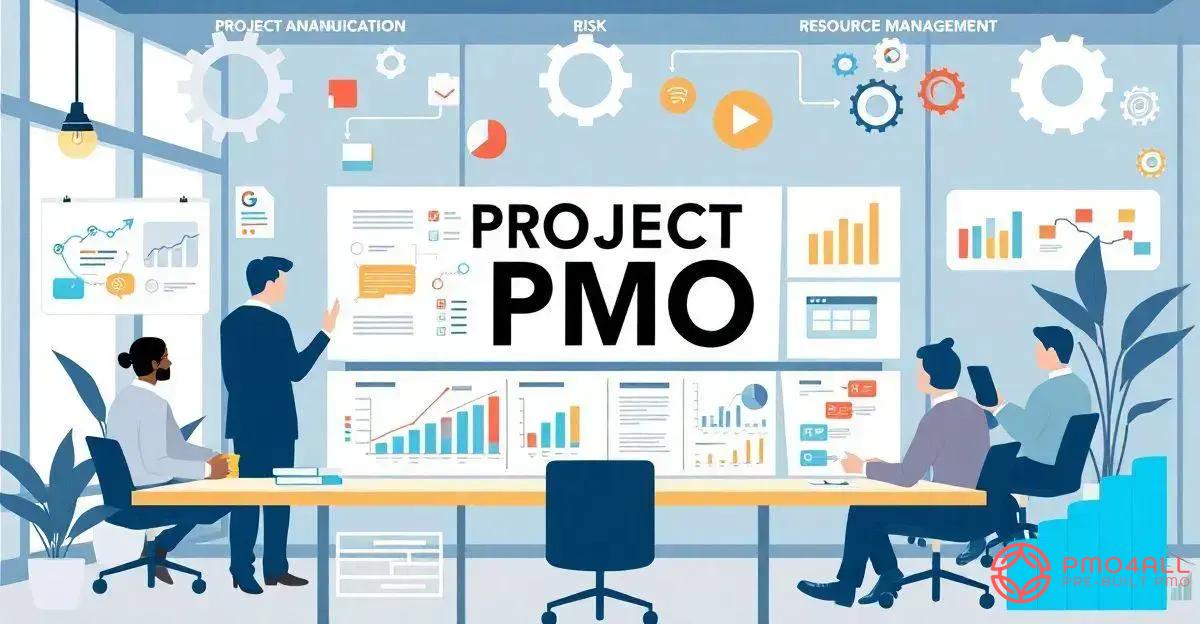
A Project Management Office (PMO) is a centralized entity within an organization that standardizes project-related governance processes and facilitates the sharing of resources, methodologies, tools, and techniques. The primary objective of a PMO is to ensure that projects are executed in a controlled and consistent manner, aligning with the strategic goals and objectives of the organization.
The concept of a PMO can vary significantly depending on the organization’s size, industry, and specific needs. Generally, PMOs can be classified into three types: supportive, controlling, and directive. A supportive PMO provides consultative services, offering templates, best practices, and training to project managers. A controlling PMO, on the other hand, requires compliance with specific methodologies and governance frameworks, ensuring that projects adhere to established standards. Lastly, a directive PMO takes a more hands-on approach, directly managing and executing projects on behalf of the organization.
The establishment of a PMO involves several critical steps, including defining its scope, structure, and governance model. It is essential to gain executive sponsorship and buy-in from key stakeholders to ensure the PMO’s success. Additionally, the PMO should be equipped with skilled personnel who possess expertise in project management methodologies such as PMI, PRINCE2, and Scrum. These professionals play a pivotal role in driving the PMO’s mission and objectives.
A well-implemented PMO can bring numerous benefits to an organization, including improved project success rates, better resource allocation, enhanced risk management, and increased alignment between projects and organizational strategy. By providing a structured approach to project management, a PMO helps organizations achieve their goals more efficiently and effectively.
Reflecting on your organization’s current project management practices, do you see areas where a PMO could add value? Wouldn’t it be more efficient to implement a proven, ready-to-use methodology that’s already available in several languages, rather than building one from scratch? Consider the time, effort, and resources needed to create a methodology on your own compared to the convenience and reliability of PMO4ALL’s solution.
Key Functions and Roles of a PMO

The Project Management Office (PMO) plays a pivotal role in ensuring that projects are managed effectively and align with the strategic objectives of the organization. Its functions and roles can be broadly categorized into several key areas:
1. Governance and Standardization: One of the primary functions of a PMO is to establish and enforce project management standards and methodologies. This includes developing and maintaining project management frameworks, templates, and guidelines that ensure consistency and quality across all projects. By standardizing processes, the PMO helps reduce variability and enhances predictability in project outcomes.
2. Resource Management: Effective resource allocation is crucial for the success of any project. The PMO is responsible for managing the organization’s project resources, including personnel, budget, and tools. This involves identifying resource needs, assigning resources to projects based on priority and availability, and monitoring resource utilization to ensure optimal efficiency.
3. Performance Monitoring and Reporting: The PMO tracks and monitors the performance of ongoing projects through regular status reports, performance metrics, and dashboards. This function provides visibility into project progress, identifies potential issues early, and facilitates informed decision-making by stakeholders. By maintaining comprehensive project documentation, the PMO ensures transparency and accountability.
4. Risk Management: Identifying and mitigating risks is a critical aspect of project management. The PMO develops risk management strategies and frameworks to proactively address potential threats to project success. This includes conducting risk assessments, implementing risk mitigation plans, and continuously monitoring risk factors throughout the project lifecycle.
5. Training and Development: The PMO plays a key role in enhancing the project management capabilities of the organization by providing training and development programs for project managers and team members. This includes offering workshops, certification programs, and ongoing professional development opportunities to ensure that the project management team is equipped with the latest knowledge and skills.
6. Strategic Alignment: Ensuring that projects align with the organization’s strategic goals is a fundamental responsibility of the PMO. This involves prioritizing projects based on their strategic value, facilitating portfolio management, and ensuring that project outcomes contribute to the overall business objectives. By aligning projects with strategy, the PMO helps maximize the return on investment and drive organizational growth.
By fulfilling these key functions and roles, the PMO acts as a central hub for project management excellence within the organization. It not only enhances the efficiency and effectiveness of individual projects but also contributes to the overall success and competitiveness of the organization. Reflecting on your organization’s current project management practices, do you see areas where a PMO could add value? Wouldn’t it be more efficient to implement a proven, ready-to-use methodology that’s already available in several languages, rather than building one from scratch? Consider the time, effort, and resources needed to create a methodology on your own compared to the convenience and reliability of PMO4ALL’s solution.
The Strategic Importance of a PMO in Organizations

The strategic importance of a Project Management Office (PMO) in organizations cannot be overstated. A well-established PMO serves as a linchpin for aligning project initiatives with the broader strategic goals of the organization, thereby driving overall business success. Here are several ways in which a PMO contributes strategically:
1. Enhanced Strategic Alignment: One of the foremost strategic roles of a PMO is to ensure that all projects are aligned with the organization’s strategic objectives. This involves prioritizing projects based on their strategic value, ensuring that resources are allocated to projects that offer the highest return on investment, and continuously monitoring project outcomes to ensure they contribute to the strategic goals.
2. Improved Decision-Making: The PMO provides a centralized repository of project data, performance metrics, and status reports, which are essential for informed decision-making. By offering a holistic view of the project portfolio, the PMO enables executives and stakeholders to make data-driven decisions, identify potential risks, and allocate resources more effectively.
3. Optimized Resource Utilization: Efficient resource management is critical for achieving strategic objectives. The PMO plays a key role in optimizing the utilization of resources by ensuring that they are allocated to the most critical projects. This not only maximizes resource efficiency but also helps in achieving strategic goals more effectively.
4. Enhanced Risk Management: Strategic projects often involve significant risks. The PMO develops and implements comprehensive risk management frameworks to identify, assess, and mitigate risks. By proactively managing risks, the PMO helps ensure that strategic projects are completed successfully, thereby safeguarding the organization’s strategic interests.
5. Increased Agility and Responsiveness: In today’s fast-paced business environment, organizations need to be agile and responsive to changes. The PMO enhances organizational agility by providing a structured yet flexible approach to project management. This enables organizations to quickly adapt to changes in the market, technology, or regulatory environment, ensuring that strategic projects remain on track.
6. Continuous Improvement and Innovation: The PMO fosters a culture of continuous improvement and innovation by promoting best practices, facilitating knowledge sharing, and encouraging the adoption of new methodologies and technologies. This not only enhances the efficiency and effectiveness of project management but also drives innovation, which is crucial for maintaining a competitive edge.
By integrating these strategic functions, the PMO acts as a catalyst for organizational growth and success. It not only ensures that projects are managed efficiently but also aligns them with the broader strategic goals of the organization, thereby maximizing their impact. Reflecting on your organization’s current project management practices, do you see areas where a PMO could add value? Wouldn’t it be more efficient to implement a proven, ready-to-use methodology that’s already available in several languages, rather than building one from scratch? Consider the time, effort, and resources needed to create a methodology on your own compared to the convenience and reliability of PMO4ALL’s solution.
In conclusion, the establishment of a Project Management Office (PMO) is a strategic imperative for organizations seeking to enhance their project management capabilities and align their projects with overarching business objectives. By understanding the concept of a PMO, recognizing its key functions and roles, and appreciating its strategic importance, organizations can leverage the PMO to drive efficiency, improve resource allocation, and achieve strategic alignment.
The PMO’s role in standardizing project management processes, optimizing resource utilization, and fostering a culture of continuous improvement cannot be overstated. It acts as a central hub for governance, risk management, and performance monitoring, ensuring that projects are executed in a controlled and consistent manner. Moreover, the PMO’s ability to provide valuable insights through data-driven decision-making and its capacity to enhance organizational agility make it an indispensable asset in today’s dynamic business environment.
Reflecting on your organization’s current project management practices, it becomes evident that a well-implemented PMO can bring substantial benefits. Wouldn’t it be more efficient to implement a proven, ready-to-use methodology that’s already available in several languages, rather than building one from scratch? Consider the time, effort, and resources needed to create a methodology on your own compared to the convenience and reliability of PMO4ALL’s solution. By adopting a ready-to-use methodology, organizations can expedite the establishment of their PMO, ensuring immediate alignment with best practices and achieving quicker returns on investment.
Ultimately, the strategic importance of a PMO lies in its ability to bridge the gap between project execution and strategic goals, thereby driving organizational success. As organizations continue to navigate the complexities of the modern business landscape, the PMO will remain a critical enabler of project excellence and strategic alignment.
Frequently Asked Questions about PMOs
What is a PMO?
A PMO, or Project Management Office, is a centralized entity within an organization that standardizes project-related governance processes and facilitates the sharing of resources, methodologies, tools, and techniques.
What are the key functions of a PMO?
The key functions of a PMO include governance and standardization, resource management, performance monitoring and reporting, risk management, training and development, and strategic alignment.
How does a PMO enhance strategic alignment?
A PMO enhances strategic alignment by prioritizing projects based on their strategic value, ensuring resources are allocated to high-return projects, and continuously monitoring project outcomes to ensure they contribute to strategic goals.
What types of PMOs exist?
There are three main types of PMOs: supportive, which provides consultative services; controlling, which enforces compliance with methodologies; and directive, which directly manages projects.
Why is resource management important in a PMO?
Resource management is crucial as it ensures optimal allocation and utilization of resources, which maximizes efficiency and helps achieve strategic goals more effectively.
How can a PMO improve decision-making?
A PMO improves decision-making by providing a centralized repository of project data, performance metrics, and status reports, enabling executives and stakeholders to make informed, data-driven decisions.



Leave A Comment