


Integrating IoT into project management transforms project execution by providing real-time data, enhancing communication, and optimizing resource management. IoT devices automate data collection for accuracy, improve team coordination, and enhance risk management through predictive analytics, enabling proactive issue mitigation. This integration significantly increases project efficiency and effectiveness, making it vital for contemporary project management.
In today’s fast-paced business environment, emerging technologies in project management incorporating Internet of Things (IoT) are revolutionizing how projects are planned, executed, and monitored. By leveraging IoT, project managers can gain real-time insights, enhance communication, and improve overall efficiency. This article explores the top emerging technologies that are shaping the future of project management, highlighting the significant impact of IoT integration.
The Role of IoT in Modern Project Management
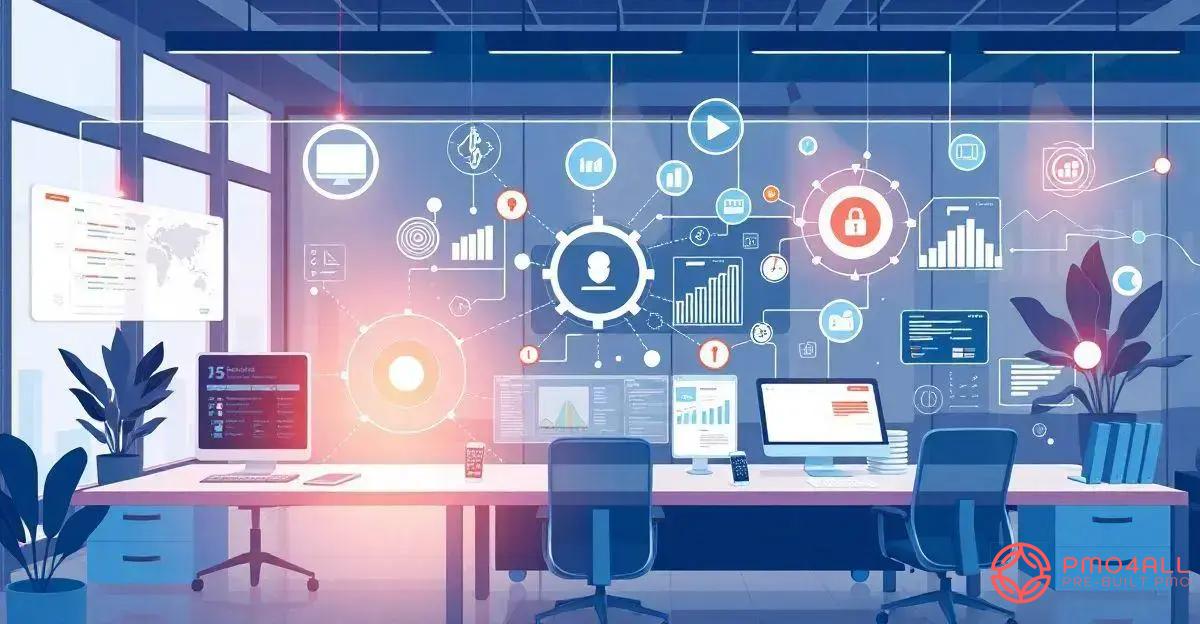
The integration of the Internet of Things (IoT) in modern project management is transforming the way projects are managed and executed.
IoT refers to the network of physical devices, vehicles, buildings, and other items embedded with sensors, software, and network connectivity, enabling these objects to collect and exchange data. In the context of project management, IoT can provide real-time data and insights, which are crucial for informed decision-making and efficient project execution.
One of the primary roles of IoT in project management is enhancing data collection and analysis. Traditional project management methods often rely on manual data entry and periodic updates, which can lead to delays and inaccuracies. IoT devices, on the other hand, continuously collect data from various sources, providing project managers with up-to-date information. This real-time data can be used to monitor project progress, track resource utilization, and identify potential issues before they escalate.
Improved Communication and Collaboration
Moreover, IoT facilitates improved communication and collaboration among project team members. With IoT-enabled devices, team members can access project data and updates from anywhere, at any time. This connectivity ensures that everyone is on the same page, reducing the chances of miscommunication and enhancing overall project coordination. For example, a project manager can use IoT devices to monitor the status of equipment on a construction site, ensuring that any issues are promptly addressed and communicated to the relevant team members.
Another significant role of IoT in project management is optimizing resource management. IoT devices can track the usage and availability of resources such as machinery, materials, and personnel. This information allows project managers to allocate resources more efficiently, minimizing downtime and reducing costs. For instance, IoT sensors can monitor the condition of machinery and predict when maintenance is required, preventing unexpected breakdowns and ensuring that projects stay on schedule.
Additionally, IoT can enhance risk management in project management. By providing real-time data and predictive analytics, IoT devices can help project managers identify potential risks and take proactive measures to mitigate them. For example, IoT sensors can detect environmental conditions that may pose a risk to a construction project, such as extreme weather or structural instability. By addressing these risks early, project managers can prevent costly delays and ensure the safety of their teams.
In conclusion, the role of IoT in modern project management is multifaceted, offering numerous benefits that can significantly improve project outcomes. From enhancing data collection and analysis to optimizing resource management and improving risk management, IoT is a powerful tool that project managers can leverage to achieve greater efficiency and success in their projects.
Benefits of Integrating IoT with Project Management Tools
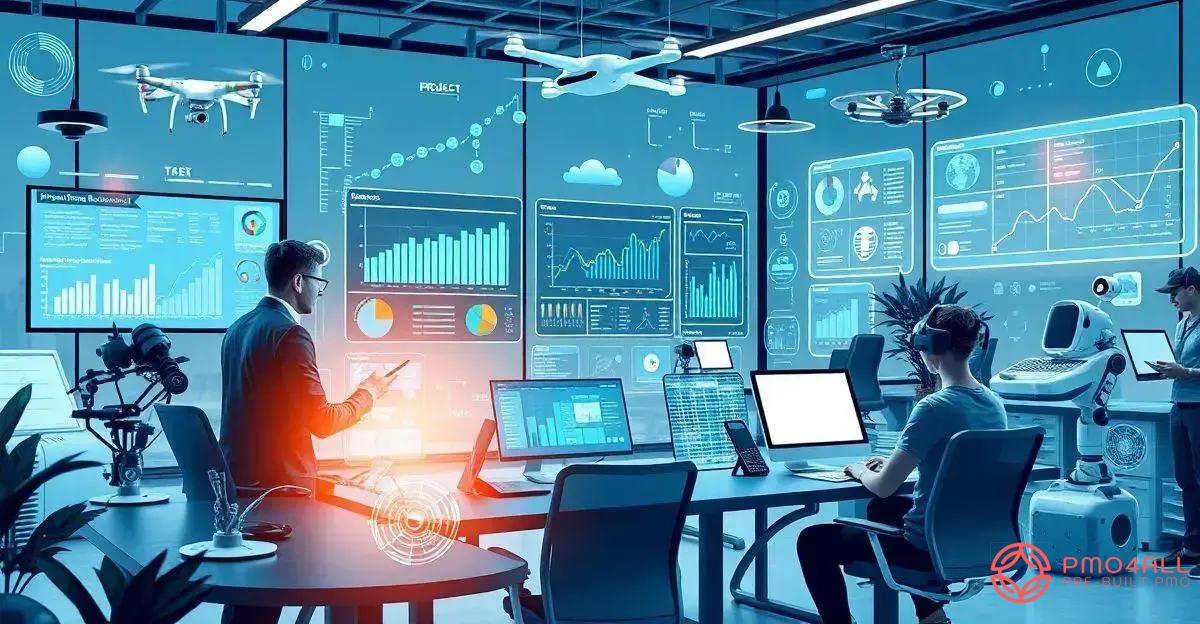
Integrating the Internet of Things (IoT) with project management tools offers a myriad of benefits that can enhance the efficiency and effectiveness of project execution.
As IoT continues to evolve, its applications in project management are becoming increasingly sophisticated, providing project managers with innovative ways to streamline processes and improve outcomes.
One of the most significant benefits of integrating IoT with project management tools is the enhancement of real-time monitoring and control. IoT devices can continuously collect data from various project components, such as equipment, materials, and environmental conditions. This data is then transmitted to project management tools, allowing project managers to monitor progress in real-time. For example, in a construction project, IoT sensors can track the usage and condition of machinery, providing instant updates on their status and alerting managers to any issues that need immediate attention.
Another advantage is the improvement in data accuracy and reliability. Traditional project management often relies on manual data entry, which can be prone to errors and inconsistencies. IoT devices automate data collection, reducing the risk of human error and ensuring that the data is accurate and up-to-date. This accuracy is crucial for making informed decisions and maintaining project timelines. For instance, IoT-enabled inventory management systems can provide precise information on material availability, helping project managers avoid delays caused by stock shortages.
IoT integration also facilitates better resource management. By providing detailed insights into resource utilization, IoT devices help project managers allocate resources more efficiently. This optimization can lead to significant cost savings and improved project performance. For example, IoT sensors can monitor the energy consumption of equipment, enabling managers to identify opportunities for energy savings and reduce operational costs. Additionally, IoT can track the location and status of assets, ensuring that resources are used effectively and reducing the likelihood of theft or loss.
Enhanced communication and collaboration are also key benefits of IoT integration. IoT devices enable seamless communication between project team members by providing real-time updates and data sharing. This connectivity ensures that all team members have access to the same information, reducing the chances of miscommunication and improving overall project coordination. For example, IoT-enabled project management tools can provide instant notifications to team members about changes in project plans or schedules, ensuring that everyone is aligned and can respond promptly.
Furthermore, integrating IoT with project management tools can significantly improve risk management. IoT devices can provide predictive analytics and early warning systems that help project managers identify potential risks and take proactive measures to mitigate them. For example, IoT sensors can detect structural weaknesses in a building project, allowing managers to address the issue before it becomes a major problem. This proactive approach to risk management can prevent costly delays and ensure the safety of project teams.
In summary, the benefits of integrating IoT with project management tools are substantial, offering improvements in real-time monitoring, data accuracy, resource management, communication, and risk management. By leveraging IoT technology, project managers can enhance the efficiency and success of their projects, ultimately delivering better outcomes for stakeholders.
In conclusion, the integration of emerging technologies, particularly the Internet of Things (IoT), into project management practices is proving to be a game-changer.
By providing real-time data, enhancing communication, and optimizing resource management, IoT significantly elevates the efficiency and effectiveness of project execution.
The role of IoT in modern project management is multifaceted, offering benefits that range from improved data accuracy to proactive risk management.
Strategic Imperative
As project managers continue to seek ways to streamline processes and deliver superior outcomes, the adoption of IoT-enabled project management tools stands out as a strategic imperative.
Embracing these technologies not only positions organizations at the forefront of innovation but also ensures that projects are completed on time, within budget, and to the highest standards of quality.
Therefore, leveraging IoT in project management is not merely an option but a necessity for those aiming to achieve excellence in today’s competitive business environment.
Frequently Asked Questions about Emerging Technologies in Project Management Incorporating IoT
What is the role of IoT in modern project management?
IoT enhances data collection and analysis, improves communication and collaboration, optimizes resource management, and enhances risk management by providing real-time data and predictive analytics.
How does IoT improve data accuracy in project management?
IoT devices automate data collection, reducing human error and ensuring that the data is accurate and up-to-date, which is crucial for informed decision-making and maintaining project timelines.
What are the benefits of integrating IoT with project management tools?
Benefits include real-time monitoring and control, improved data accuracy, better resource management, enhanced communication and collaboration, and improved risk management.
Can IoT help in optimizing resource management?
Yes, IoT devices provide detailed insights into resource utilization, allowing project managers to allocate resources more efficiently, leading to cost savings and improved project performance.
How does IoT enhance risk management in project management?
IoT devices offer predictive analytics and early warning systems that help project managers identify potential risks and take proactive measures to mitigate them, preventing costly delays and ensuring safety.
Why is IoT integration considered essential in modern project management?
IoT integration is essential because it significantly elevates the efficiency and effectiveness of project execution, ensuring projects are completed on time, within budget, and to high standards of quality.






Leave A Comment