


Hybrid project management integrates traditional methodologies like PMI and PRINCE2 with agile frameworks such as Scrum, creating a flexible approach that improves resource management, stakeholder engagement, and team collaboration. To implement this method, organizations should assess current practices, design a tailored framework, provide training, and establish communication channels, while addressing challenges through comprehensive training and clear guidelines to ensure project success.
In today’s dynamic business environment, advanced project management practices utilizing hybrid project management techniques are becoming increasingly essential. By combining traditional and agile methodologies, organizations can achieve greater flexibility, efficiency, and success in their projects. This article delves into the intricacies of hybrid project management, exploring its benefits, implementation strategies, and potential challenges. It provides valuable insights for professionals seeking to enhance their project management capabilities.
Understanding Hybrid Project Management
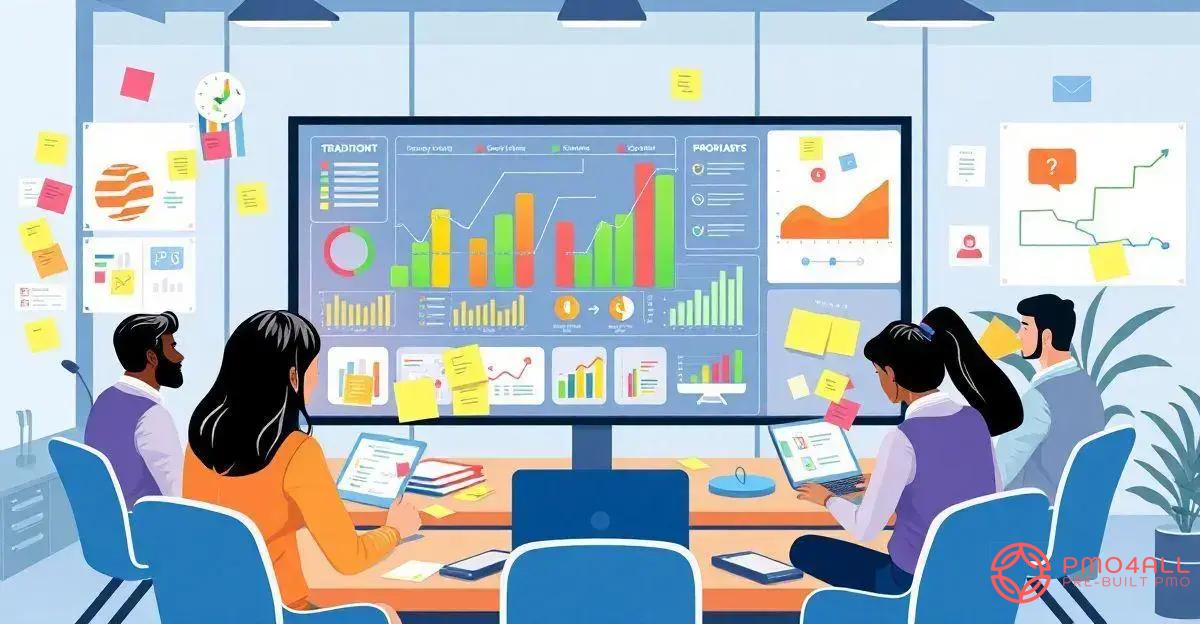
Hybrid project management is an approach that combines elements of traditional project management methodologies, such as PMI and PRINCE2, with agile frameworks like Scrum. This method leverages the structured planning and control of traditional approaches while incorporating the flexibility and iterative processes of agile methodologies. The primary objective of hybrid project management is to create a balanced approach that can adapt to the unique needs of each project, ensuring both efficiency and effectiveness.
In traditional project management, a linear and sequential process is followed, often referred to as the Waterfall model. This model emphasizes thorough planning, documentation, and a clear hierarchy of tasks. On the other hand, agile methodologies focus on iterative development, continuous feedback, and collaboration, which allows for more adaptability and responsiveness to change. By integrating these two approaches, hybrid project management seeks to harness the strengths of both, providing a more versatile and comprehensive framework.
Key Aspects of Hybrid Project Management
One of the key aspects of hybrid project management is its ability to tailor processes to the specific requirements of a project. For instance, a project might begin with a detailed planning phase using PRINCE2 principles, followed by iterative development cycles based on Scrum practices. This flexibility enables project managers to address complex and evolving project landscapes more effectively.
Additionally, hybrid project management facilitates better stakeholder engagement and communication. By incorporating agile practices, teams can provide regular updates and involve stakeholders in the decision-making process, fostering a collaborative environment. This approach not only enhances transparency but also ensures that the project remains aligned with stakeholder expectations and business objectives.
To implement hybrid project management successfully, it is crucial to have a clear understanding of both traditional and agile methodologies. Project managers must be adept at identifying which aspects of each approach are most suitable for a given project and how to integrate them seamlessly. This requires a thorough knowledge of project management principles, as well as the ability to adapt and innovate based on project demands.
In conclusion, hybrid project management represents a sophisticated and adaptable approach to managing projects. By combining the best practices of traditional and agile methodologies, it offers a robust framework that can address the diverse challenges of modern project environments. As organizations continue to face increasing complexity and change, hybrid project management provides a valuable tool for achieving project success.
Benefits of Hybrid Project Management
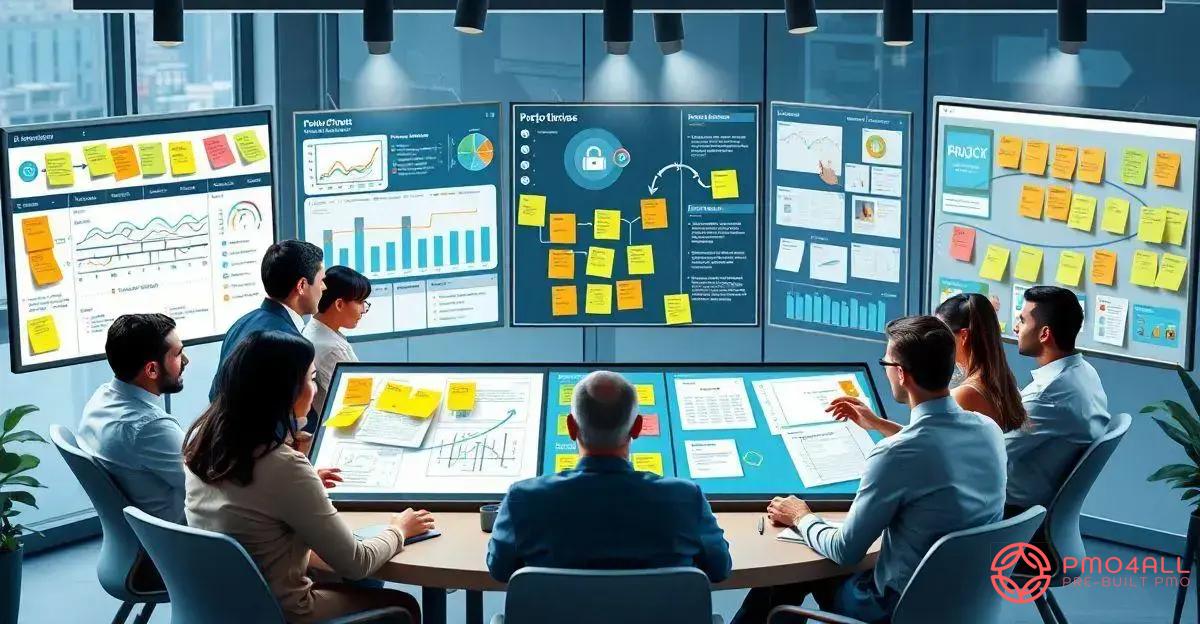
Hybrid project management offers a myriad of benefits by blending traditional and agile methodologies, creating a versatile and adaptive framework that can cater to various project needs. One of the most significant advantages is the enhanced flexibility it provides. By integrating agile practices, teams can respond more quickly to changes and unforeseen challenges, ensuring that the project remains on track and aligned with business objectives.
Another key benefit is improved resource management. Traditional project management methodologies often involve detailed planning and resource allocation, which can be beneficial for setting clear expectations and timelines. When combined with agile’s iterative approach, this allows for continuous reassessment and reallocation of resources based on the project’s evolving needs. This dynamic resource management can lead to more efficient use of time, budget, and personnel.
Hybrid project management also fosters better stakeholder engagement. Agile methodologies emphasize regular communication and feedback loops, which can be integrated into the traditional framework to keep stakeholders informed and involved throughout the project lifecycle. This ongoing interaction helps in managing expectations, addressing concerns promptly, and ensuring that the project outcomes align with stakeholder needs.
Furthermore, the hybrid approach can lead to higher quality deliverables. By incorporating iterative testing and feedback mechanisms from agile practices, teams can identify and resolve issues early in the development process. This proactive problem-solving reduces the risk of major setbacks and enhances the overall quality of the final product.
Risk management is another area where hybrid project management excels. Traditional methodologies are known for their rigorous risk assessment and mitigation strategies. When these are combined with agile’s ability to adapt to changes swiftly, it creates a robust risk management framework. This dual approach ensures that potential risks are identified early and addressed effectively, minimizing their impact on the project.
Lastly, hybrid project management can improve team collaboration and morale. Agile practices promote a collaborative work environment where team members are encouraged to share ideas and feedback openly. This culture of collaboration, when integrated with the structured approach of traditional methodologies, can lead to a more cohesive and motivated team. Enhanced collaboration often results in increased productivity and innovation, driving the project towards success.
In summary, the benefits of hybrid project management are substantial. By merging the strengths of traditional and agile methodologies, it offers a comprehensive and adaptable approach that can enhance flexibility, resource management, stakeholder engagement, deliverable quality, risk management, and team collaboration. As organizations navigate the complexities of modern project environments, hybrid project management stands out as a powerful strategy for achieving successful outcomes.
Implementing Hybrid Project Management in Your Organization

Challenges and Solutions in Hybrid Project Management
While hybrid project management offers numerous benefits, it also presents certain challenges that organizations must address to ensure successful implementation. One of the primary challenges is the complexity of integrating traditional and agile methodologies. Each approach has its own set of principles, practices, and terminologies, which can create confusion and inconsistency if not managed properly. To overcome this, it is essential to provide comprehensive training and establish clear guidelines that define how the two methodologies will be integrated and applied within the organization.
Another challenge is resistance to change. Team members who are accustomed to a particular way of working may be hesitant to adopt new practices and processes. This resistance can be mitigated by involving team members in the planning and implementation process, providing them with the necessary training and support, and clearly communicating the benefits of the hybrid approach. Additionally, appointing change champions or advocates within the team can help promote acceptance and drive the adoption of hybrid project management practices.
Ensuring effective communication and collaboration is also a critical challenge in hybrid project management. The integration of traditional and agile methodologies requires seamless coordination among team members, stakeholders, and project managers. To address this, organizations should establish robust communication channels, set up regular meetings and progress updates, and use collaborative tools and platforms that facilitate real-time information sharing and feedback.
Managing stakeholder expectations can be particularly challenging in a hybrid project management environment. Stakeholders may have different expectations regarding project timelines, deliverables, and outcomes, which can lead to conflicts and misunderstandings. To manage this, it is important to involve stakeholders early in the project planning process, set clear expectations, and maintain open and transparent communication throughout the project lifecycle. Regular updates and feedback sessions can help ensure that stakeholders are informed and aligned with the project’s goals and progress.
Resource allocation and management can also pose challenges in hybrid project management. Balancing the resource needs of traditional and agile practices requires careful planning and coordination. Organizations should develop a flexible resource management plan that allows for dynamic allocation and reallocation of resources based on project requirements. This may involve cross-training team members to perform multiple roles and using resource management tools to track and optimize resource utilization.
Lastly, maintaining consistency and quality in project deliverables can be challenging when using a hybrid approach. The iterative nature of agile practices may lead to variations in deliverables, while the structured approach of traditional methodologies emphasizes consistency and standardization. To address this, organizations should establish clear quality standards and guidelines, conduct regular reviews and audits, and implement continuous improvement practices to ensure that project deliverables meet the desired quality levels.
In summary, while hybrid project management offers a flexible and adaptive approach to managing projects, it also presents several challenges that organizations must address. By providing comprehensive training, promoting change acceptance, ensuring effective communication and collaboration, managing stakeholder expectations, optimizing resource allocation, and maintaining consistency and quality in deliverables, organizations can successfully navigate these challenges and achieve the benefits of hybrid project management.
Implementing Hybrid Project Management in Your Organization
Implementing hybrid project management in your organization requires a strategic approach that integrates both traditional and agile methodologies to suit the unique needs of your projects. The first step is to conduct a thorough assessment of your current project management practices and identify areas where a hybrid approach could provide added value. This involves understanding the strengths and weaknesses of your existing methodologies and determining how elements of agile practices can be incorporated to enhance flexibility and responsiveness.
Once you have a clear understanding of your current practices, the next step is to design a hybrid framework tailored to your organization’s needs. This involves selecting the appropriate elements from both traditional and agile methodologies. For example, you might choose to use PRINCE2 for its structured planning and control mechanisms, while incorporating Scrum for its iterative development and continuous feedback loops. The key is to create a balanced approach that leverages the strengths of both methodologies.
Training and development are crucial for the successful implementation of hybrid project management. Your team members need to be well-versed in both traditional and agile practices. Providing comprehensive training programs and workshops can help them understand the principles and techniques of hybrid project management. Additionally, appointing experienced project managers who are adept at both methodologies can facilitate a smoother transition and ensure effective implementation.
Communication is another critical factor in implementing hybrid project management. Establishing clear communication channels and protocols is essential for ensuring that all stakeholders are informed and engaged throughout the project lifecycle. Regular meetings, progress updates, and feedback sessions can help maintain transparency and foster collaboration among team members and stakeholders.
It is also important to develop a robust governance structure to oversee the implementation of hybrid project management. This includes defining roles and responsibilities, setting up monitoring and evaluation mechanisms, and establishing performance metrics to track progress and measure success. A well-defined governance structure ensures that the hybrid approach is implemented consistently and effectively across the organization.
Pilot projects can be an effective way to test and refine your hybrid project management framework. By starting with smaller, less complex projects, you can identify potential challenges and make necessary adjustments before scaling up to larger projects. This iterative approach allows you to fine-tune your hybrid framework and build confidence among your team members.
Finally, continuous improvement should be a core component of your hybrid project management strategy. Regularly reviewing and analyzing project outcomes, gathering feedback from team members and stakeholders, and staying updated with the latest developments in project management methodologies can help you refine and enhance your hybrid approach over time.
In conclusion, implementing hybrid project management in your organization involves a strategic and systematic approach. By assessing your current practices, designing a tailored hybrid framework, providing training, establishing clear communication channels, developing a robust governance structure, conducting pilot projects, and focusing on continuous improvement, you can successfully integrate hybrid project management and achieve greater project success.
Challenges and Solutions in Hybrid Project Management

While hybrid project management offers numerous benefits, it also presents certain challenges that organizations must address to ensure successful implementation. One of the primary challenges is the complexity of integrating traditional and agile methodologies. Each approach has its own set of principles, practices, and terminologies, which can create confusion and inconsistency if not managed properly. To overcome this, it is essential to provide comprehensive training and establish clear guidelines that define how the two methodologies will be integrated and applied within the organization.
Another challenge is resistance to change. Team members who are accustomed to a particular way of working may be hesitant to adopt new practices and processes. This resistance can be mitigated by involving team members in the planning and implementation process, providing them with the necessary training and support, and clearly communicating the benefits of the hybrid approach. Additionally, appointing change champions or advocates within the team can help promote acceptance and drive the adoption of hybrid project management practices.
Ensuring effective communication and collaboration is also a critical challenge in hybrid project management. The integration of traditional and agile methodologies requires seamless coordination among team members, stakeholders, and project managers. To address this, organizations should establish robust communication channels, set up regular meetings and progress updates, and use collaborative tools and platforms that facilitate real-time information sharing and feedback.
Managing Stakeholder Expectations
Managing stakeholder expectations can be particularly challenging in a hybrid project management environment. Stakeholders may have different expectations regarding project timelines, deliverables, and outcomes, which can lead to conflicts and misunderstandings. To manage this, it is important to involve stakeholders early in the project planning process, set clear expectations, and maintain open and transparent communication throughout the project lifecycle. Regular updates and feedback sessions can help ensure that stakeholders are informed and aligned with the project’s goals and progress.
Resource allocation and management can also pose challenges in hybrid project management. Balancing the resource needs of traditional and agile practices requires careful planning and coordination. Organizations should develop a flexible resource management plan that allows for dynamic allocation and reallocation of resources based on project requirements. This may involve cross-training team members to perform multiple roles and using resource management tools to track and optimize resource utilization.
Lastly, maintaining consistency and quality in project deliverables can be challenging when using a hybrid approach. The iterative nature of agile practices may lead to variations in deliverables, while the structured approach of traditional methodologies emphasizes consistency and standardization. To address this, organizations should establish clear quality standards and guidelines, conduct regular reviews and audits, and implement continuous improvement practices to ensure that project deliverables meet the desired quality levels.
In summary, while hybrid project management offers a flexible and adaptive approach to managing projects, it also presents several challenges that organizations must address. By providing comprehensive training, promoting change acceptance, ensuring effective communication and collaboration, managing stakeholder expectations, optimizing resource allocation, and maintaining consistency and quality in deliverables, organizations can successfully navigate these challenges and achieve the benefits of hybrid project management.
In conclusion, hybrid project management represents a sophisticated and adaptable approach that combines the strengths of traditional and agile methodologies.
By understanding the principles of hybrid project management, organizations can leverage its benefits, such as enhanced flexibility, improved resource management, better stakeholder engagement, higher quality deliverables, robust risk management, and increased team collaboration.
Implementing hybrid project management requires a strategic and systematic approach, including assessing current practices, designing a tailored framework, providing comprehensive training, establishing clear communication channels, developing a robust governance structure, conducting pilot projects, and focusing on continuous improvement.
Despite the challenges, such as integrating methodologies, resistance to change, and managing stakeholder expectations, the solutions provided can help organizations navigate these complexities effectively.
As the business environment continues to evolve, hybrid project management offers a valuable tool for achieving project success and maintaining a competitive edge.
Frequently Asked Questions about Hybrid Project Management
What is hybrid project management?
Hybrid project management is an approach that combines elements of traditional project management methodologies, such as PMI and PRINCE2, with agile frameworks like Scrum. This method leverages the structured planning and control of traditional approaches while incorporating the flexibility and iterative processes of agile methodologies.
What are the benefits of hybrid project management?
The benefits of hybrid project management include enhanced flexibility, improved resource management, better stakeholder engagement, higher quality deliverables, robust risk management, and increased team collaboration. By merging the strengths of traditional and agile methodologies, it offers a comprehensive and adaptable approach to managing projects.
How can I implement hybrid project management in my organization?
To implement hybrid project management, start by assessing your current practices and identifying areas for improvement. Design a tailored hybrid framework, provide comprehensive training, establish clear communication channels, develop a robust governance structure, conduct pilot projects, and focus on continuous improvement.
What challenges might I face when implementing hybrid project management?
Challenges include the complexity of integrating traditional and agile methodologies, resistance to change, ensuring effective communication and collaboration, managing stakeholder expectations, and balancing resource allocation. Addressing these challenges requires comprehensive training, clear guidelines, and robust communication and governance structures.
How can I manage stakeholder expectations in a hybrid project management environment?
To manage stakeholder expectations, involve stakeholders early in the project planning process, set clear expectations, and maintain open and transparent communication throughout the project lifecycle. Regular updates and feedback sessions can help ensure that stakeholders are informed and aligned with the project’s goals and progress.
What are some solutions to the challenges of hybrid project management?
Solutions include providing comprehensive training, promoting change acceptance, ensuring effective communication and collaboration, optimizing resource allocation, and maintaining consistency and quality in deliverables. Establishing clear quality standards, conducting regular reviews, and implementing continuous improvement practices can also help address these challenges.








Leave A Comment