

In today’s fast-paced project management environment, adopting advanced project management practices utilizing hybrid project management methods can transform your projects.
By combining PMI, PRINCE2, and Scrum methodologies, you can leverage the strengths of each framework for better results.
In this article, we will explore the key principles behind hybrid project management and how they can benefit your projects, addressing both the advantages and the potential challenges you may face.
Understanding Hybrid Project Management

Advanced Project Management Practices Using Hybrid Project Management
Understanding Hybrid Project Management
Hybrid project management combines different frameworks and methodologies to create a tailored approach that fits the unique needs of a project. By blending elements from traditional (PMI, PRINCE2) and Agile (Scrum) methodologies, hybrid project management aims to enhance flexibility, efficiency, and adaptability.
In a hybrid framework, the structure and predictability of traditional project management blend with the adaptability of Agile practices. For instance, while PMI and PRINCE2 provide extensive planning and well-defined project stages, Scrum offers flexibility through iterative work cycles known as sprints. This convergence of methods allows teams to benefit from rigorous planning and scalable flexibility.
To illustrate, consider a project where high-level requirements are stable but certain components are prone to frequent changes. By leveraging hybrid project management, the initial project scope and timeline can be managed using PMI principles, ensuring clear objectives and detailed scheduling. For tasks involving uncertain or evolving requirements, Agile techniques like daily stand-ups and retrospectives can be used to foster iterative development and responsive adjustments.
One effective practice within hybrid project management is phase-based delivery. This approach lets teams implement elements of a project incrementally. For example, planning and stakeholder alignment can follow PMI phases while development teams use Scrum sprints to deliver incremental functionalities. This technique aligns long-term goals with short-term achievements, promoting both project stability and innovation.
Benefits of Utilizing Hybrid Methodologies
Embracing hybrid methodologies offers numerous advantages, including:
- Enhanced flexibility: Teams can adapt to changes swiftly without compromising the overall project plan.
- Improved stakeholder engagement: Frequent communication and iterative deliveries keep stakeholders informed and engaged.
- Balanced risk management: Combining detailed planning with Agile responsiveness reduces the likelihood of unforeseen issues and facilitates quicker problem resolution.
- Optimal resource utilization: Resources can be allocated efficiently across different project phases, maximizing productivity and reducing downtime.
For example, a software development project might utilize PMI’s risk management processes to identify potential risks early and Scrum’s review protocols to address them promptly, ensuring the project remains on track.
Combining PMI, PRINCE2, and Scrum
The integration of PMI, PRINCE2, and Scrum involves leveraging the strengths of each methodology to form a cohesive project management strategy. PMI’s PMBOK Guide offers a comprehensive collection of project management best practices that provide robust foundational principles.
PRINCE2 focuses on defined project roles, responsibilities, and stages, enabling precise governance and control. Meanwhile, Scrum facilitates adaptive planning and continuous delivery through its ceremonial practices like sprints, sprint planning, daily stand-ups, and reviews.
Imagine a scenario involving a cross-functional team building a complex software system. The team could follow PMI guidelines to develop a detailed project charter and utilize PRINCE2 for structured stage gates, ensuring accountability and oversight. During the software development phase, Scrum practices can support iterative coding and testing, enabling the team to respond to feedback and refine the system progressively.
By integrating these methodologies, project managers can create a balanced framework that promotes strategic alignment, operational efficiency, and agile response mechanisms.
Challenges and Solutions in Hybrid Project Management
While hybrid project management offers numerous benefits, it also presents specific challenges, such as:
- Complex integration: Combining different methodologies requires careful planning to avoid conflicts and ensure seamless workflow integration.
- Resistance to change: Team members accustomed to a single methodology may resist adopting hybrid practices, necessitating comprehensive training and change management strategies.
- Coordination complexity: Managing a diverse set of practices across teams and phases can be challenging without effective communication and collaboration tools.
To overcome these challenges, consider adopting tools like project management software that support hybrid frameworks and facilitate real-time collaboration. Regular training sessions and workshops can help bridge knowledge gaps and foster acceptance of hybrid practices.
One company faced with integrating traditional and Agile practices might implement a hybrid training program focused on the strengths of each methodology. By emphasizing the complementary nature of PMI’s planning detail, PRINCE2’s governance structure, and Scrum’s iteration, they could promote a cohesive hybrid culture.
Case Studies of Successful Hybrid Project Management
Numerous organizations have effectively applied hybrid project management to achieve outstanding results. For instance, a tech giant implementing a new product line combined PMI’s meticulous planning with Scrum’s adaptive development. They succeeded in reducing lead times, improving product quality, and enhancing customer satisfaction.
Another notable example is an engineering firm leveraging PRINCE2 for stage-based management and Scrum for front-line engineering development. This blend allowed the firm to maintain stringent regulatory compliance while fostering innovation and rapid prototyping, proving hybrid approaches can yield significant tangible benefits.
These case studies demonstrate that, through strategic integration of diverse methodologies, organizations can pursue advanced project management practices to achieve remarkable outcomes, balancing risks, stakeholder needs, and dynamic project demands.
Benefits of Utilizing Hybrid Methodologies
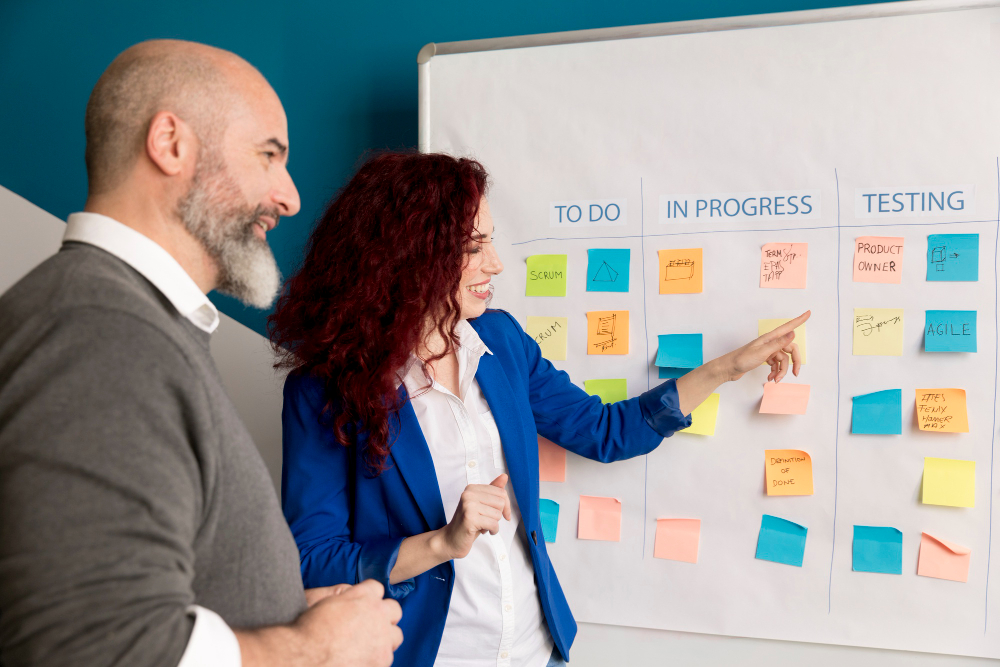
Hybrid methodologies in project management combine the strengths of different approaches to achieve successful outcomes. They offer flexibility and the ability to tailor processes to specific project requirements, maximizing efficiency and optimizing resource allocation. By integrating techniques like PMI, PRINCE2, and Scrum, project managers can leverage a broad set of tools and perspectives.
One of the primary benefits of utilizing hybrid methodologies is increased adaptability. Every project is unique, and hybrid methods allow managers to blend the most effective elements from various frameworks to suit their project’s specific needs. For example, the predictive planning strengths of PMI can be combined with the iterative and responsive capabilities of Scrum to better manage changes and uncertainties.
Another significant advantage is improved stakeholder satisfaction. By using a hybrid approach, project managers can ensure that the process aligns with stakeholders’ expectations and requirements. For instance, while PRINCE2 emphasizes clear roles and responsibilities, Scrum focuses on continuous delivery and feedback. Implementing both can lead to better communication and more frequent updates, which stakeholders typically appreciate.
Resource optimization is another area where hybrid methodologies excel. Hybrid approaches allow for the allocation of resources based on the best practices of multiple frameworks. For instance, PRINCE2’s structured and stage-gate approach can be used to plan resource allocation effectively, while Scrum’s daily stand-ups ensure that the project team addresses issues promptly, preventing resource wastage.
Enhancing Team Collaboration
Hybrid methodologies also offer the advantage of enhancing team collaboration. By integrating the collaborative nature of Scrum with the detailed planning of PMI, teams can work more effectively and communicate better. Regular iterations and reviews foster a culture of continuous improvement, ensuring that all team members are aligned and working towards common goals.
Flexible prioritization is another benefit provided by hybrid methodologies. PMI’s methodical risk assessment and management can be combined with Scrum’s backlog prioritization, allowing project managers to focus on high-impact tasks first, thus improving project outcomes. For example, a project team can use PMI techniques to identify key risks and mitigation strategies, while employing Scrum to adapt to new information and changing priorities.
Boosting Innovation and Creativity
Additionally, hybrid methodologies can boost innovation and creativity. By blending different approaches, team members are encouraged to think outside the box and implement creative solutions to complex problems. This combination of structured and agile methods can foster a more dynamic and innovative project environment.
For instance, using the structured planning phase of PRINCE2 can set a solid foundation for the project, while introducing Scrum’s sprints can promote rapid prototyping and iterative feedback. This blend encourages teams to experiment and innovate without deviating from the overall project objectives.
Improving Risk Management
Improved risk management is yet another notable benefit of hybrid methodologies. By integrating PMI’s comprehensive risk management processes with the agile, adaptive nature of Scrum, project managers can better anticipate and respond to potential issues. This dual approach helps in identifying risks early and adapting strategies as the project evolves.
For example, during the project initiation phase, PMI’s risk management techniques can be employed to identify and plan for potential risks. As the project progresses, Scrum’s iterative approach allows for constant monitoring and quick response to any emerging issues.
Enhancing Flexibility and Scalability
Hybrid methodologies offer enhanced flexibility and scalability, making it easier to manage projects of varying sizes and complexities. The structured approach of PRINCE2 can provide a scalable framework for large projects, while Scrum’s flexibility can be utilized for smaller, more dynamic projects. This adaptability ensures that the project management approach can be scaled and adjusted as needed, regardless of the project’s scope.
For instance, a hybrid methodology can start with a comprehensive project plan using PRINCE2, and as the project progresses, Scrum techniques can be applied to handle specific tasks and activities, allowing for greater flexibility and adaptability.
Supporting Continuous Improvement
Finally, hybrid methodologies support continuous improvement. By combining the principles of continuous learning from Scrum with the structured review processes of PMI and PRINCE2, project teams can consistently improve their practices and processes. Regular retrospectives and reviews help identify areas for improvement, ensuring that the team learns from each iteration and project phase.
This combination encourages a culture of learning and development, where teams are constantly refining their methods and tools to achieve better results. For example, after each sprint, Scrum’s retrospective meetings can help teams identify what went well and what needs improvement. Simultaneously, PMI’s performance reviews can provide a more structured evaluation of overall project performance, leading to actionable insights for future projects.
Overall, the benefits of utilizing hybrid methodologies in project management are manifold. The ability to combine different approaches allows project managers to customize their strategies to meet specific project requirements, improve efficiency, and enhance team collaboration. By using hybrid methodologies, project managers can navigate the complexities of modern projects more effectively, leading to successful outcomes and satisfied stakeholders.
Combining PMI, PRINCE2, and Scrum

The fusion of PMI, PRINCE2, and Scrum creates a powerhouse for managing projects effectively. Each methodology offers unique strengths that when combined can address various aspects of project management seamlessly.
Understanding PMI
The Project Management Institute (PMI) provides a comprehensive framework known as the PMBOK Guide (Project Management Body of Knowledge). PMI emphasizes processes, tools, and techniques necessary for effective project management. Following PMI’s guidelines, you can cover critical areas such as initiation, planning, executing, monitoring, controlling, and closing projects.
For example, imagine you’re working on a software development project. According to PMI, you would start by defining the project scope in a project charter. The charter provides a clear understanding of project objectives and deliverables, providing a solid foundation for successful execution.
Delving into PRINCE2
PRINCE2 (Projects IN Controlled Environments) is a structured project management method that stands out for its detailed processes and roles. PRINCE2 includes seven principles, themes, and processes:
- Principles: Continued Business Justification, Learn from Experience, Defined Roles and Responsibilities, Manage by Stages, Manage by Exception, Focus on Products, Tailor to Suit the Project Environment.
- Themes: Business Case, Organization, Quality, Plans, Risk, Change, Progress.
- Processes: Starting Up a Project, Initiating a Project, Directing a Project, Controlling a Stage, Managing Product Delivery, Managing a Stage Boundary, Closing a Project.
Taking the theme of Quality as an example, it involves continuous quality checking and validation, ensuring that the final project deliverables meet the required standards.
Insights on Scrum
Scrum is an Agile framework mainly used for managing software development projects.
Scrum introduces roles like the Product Owner, Scrum Master, and the Development Team. Key events include Daily Stand-ups, Sprint Planning, Sprint Reviews, and Sprint Retrospectives. The process is iterative, encouraging frequent reassessment of work and adaptability to changes.
Let’s consider Sprint Reviews as an example: At the end of each sprint, the team reviews their progress with stakeholders, collecting feedback and making necessary adjustments to the product backlog.
Combining PMI, PRINCE2, and Scrum
Integrating PMI, PRINCE2, and Scrum can yield significant advantages, each method compensating for others’ limitations and enhancing overall project management efficiency:
- PMI: Provides a robust process framework, essential for large, complex projects that require formal documentation and detailed planning.
- PRINCE2: Adds rigor through defined roles and controlled stages, ensuring every part of the project is aligned with business goals and expectations.
- Scrum: Infuses the agility and adaptability needed to handle rapidly changing project requirements, especially in software development.
Picture a scenario where a tech company is developing a new product. PMI’s process groups ensure that the project starts with comprehensive planning. PRINCE2’s principles ensure that each phase of development stays aligned with business objectives. Scrum’s iterative cycles ensure adaptability to changes in market demands or technological advancements.
Application and Real-World Insight
Imagine a scenario where the roles are clearly defined: PMI establishes the overarching framework, PRINCE2 defines roles and stages, while Scrum drives the iterative, adaptive process for development. How would you prioritize tasks? Would PRINCE2’s stage management be beneficial in handling deliverables more effectively within each sprint? Could PMI’s risk management processes integrate with Scrum’s daily updates?
By combining these methodologies, project managers can solve many of the challenges present in hybrid project environments through balanced and multi-level management approaches. Each practice brings its value, creating a balanced management approach when combined effectively.
Can you think of projects where a hybrid approach could add value? How would you align PMI’s processes with PRINCE2’s detailed stages and Scrum’s flexibility for maximum efficiency?
Challenges and Solutions in Hybrid Project Management
The transition to hybrid project management is not without its challenges. Projects that blend methodologies such as PMI, PRINCE2, and Scrum often encounter unique obstacles. However, understanding these challenges and implementing effective solutions can lead to successful project execution.
Complexity in Methodology Integration
One of the foremost challenges is integrating different methodologies cohesively. PMI, PRINCE2, and Scrum have distinct frameworks, and blending them requires a strategic approach. For example, PMI’s process-based approach can sometimes clash with Scrum’s iterative sprints. Solution: To address this, project managers can implement a phased approach, starting with a detailed roadmap that aligns the methodologies. It’s crucial to identify points where these frameworks naturally complement each other. For example, using Scrum for development phases and PRINCE2 for governance and risk management can create a balanced, efficient process.
Communication Barriers
Effective communication is key in any project, more so in a hybrid setup. Team members trained in different methodologies may have differing terminologies and expectations. This can lead to misunderstandings and misaligned objectives.
Solution:
Establishing a common communication platform can bridge these gaps. Regular training sessions and workshops can familiarize team members with terms and practices of other methodologies. For instance, a Scrum team might benefit from understanding PRINCE2’s stage gates and decision points. Adopting a unified communication tool, such as Slack or Microsoft Teams, can ensure everyone is on the same page.
Conflict in Stakeholder Expectations
Different stakeholders may have varied preferences towards methodologies based on their experiences and expectations. While some might vouch for the structured approach of PMI, others may prefer the flexibility of Scrum.
Solution:
Engaging stakeholders early in the project planning phase can mitigate this issue. Proactively discussing the benefits and limitations of each methodology, and how they can be integrated to meet project goals, can align expectations. For instance, a hybrid approach might use Scrum to handle dynamic project areas, with PMI’s process groups providing overall control.
Resource Allocation
Resource allocation becomes complex in a hybrid project management setup. Balancing team members’ expertise across different methodologies can be daunting.
Solution:
To optimize resource allocation, project managers need to understand the strengths and weaknesses of each team member. Creating a detailed resource matrix that maps skills to project needs can provide clarity. For example, team members well-versed in Scrum can handle iterative tasks, while those familiar with PMI or PRINCE2 can oversee documentation and compliance.
Maintaining Flexibility and Control
A core challenge is maintaining the balance between flexibility and control. While Scrum promotes adaptability, PMI and PRINCE2 emphasize control and documentation.
Solution:
Implementing a hybrid model that uses Scrum for iterative task management and PMI or PRINCE2 for overarching structure can strike this balance. For example, daily Scrum meetings can address immediate team concerns, while PMI’s monitoring and controlling processes ensure long-term project alignment.
Tool Compatibility
Using multiple project management tools can disrupt workflows and affect efficiency. Compatibility issues between different tools for PMI, PRINCE2, and Scrum can arise.
Solution:
To overcome this, selecting project management software that supports multiple methodologies is beneficial. Tools like Jira, Trello, and Microsoft Project provide features that accommodate PMI, PRINCE2, and Scrum practices, ensuring seamless integration.
Example Questions to Facilitate Application:
- How can you create a communication plan that addresses the terminology differences between Scrum and PRINCE2 team members?
- What steps can you take to map out resource allocation effectively in a hybrid project management setup?
- How can you balance the need for detailed documentation with the flexibility required for iterative development?
Adaptive Change Management
Managing change in hybrid projects is another common challenge. The dynamic nature of hybrid management requires adaptive change management strategies.
Solution:
Implementing a change management plan that incorporates elements from all methodologies can help. For example, Scrum’s retrospective meetings can be used to review the impact of changes, while PMI’s change management process ensures proper documentation and approval.
In conclusion, while hybrid project management presents unique challenges, a strategic approach leveraging the strengths of PMI, PRINCE2, and Scrum can lead to successful outcomes. Emphasizing strong communication, effective resource allocation, and adaptive change management are key to overcoming these obstacles.
By understanding and addressing these challenges with practical solutions, organizations can reap the benefits of hybrid project management, driving innovation and achieving project goals efficiently.
Case Studies of Successful Hybrid Project Management
The field of Hybrid Project Management has been gaining significant traction in recent years, blending elements from different methodologies to maximize project success. Below, we will delve into examples of various organizations that have successfully implemented hybrid approaches, leveraging methodologies like PMI, PRINCE2, and Scrum.
Company A: Integrating PMI and Scrum for Software Development
Company A, a leading software development firm, faced challenges in meeting project timelines while maintaining flexibility. They adopted a hybrid approach by integrating PMI’s process groups with Scrum’s iterative cycles.
- Planning: Company A used PMI’s stringent planning phases to set clear project goals, timelines, and budgets. This helped in defining the scope and requirements of their projects comprehensively.
- Execution: Scrum’s iterative sprints allowed for regular feedback and adaptability. Company A held bi-weekly sprint reviews and daily stand-ups to keep the project aligned with client needs.
- Monitoring and Controlling: PMI’s monitoring processes kept the project on track. By using KPI metrics, they ensured the project was progressing as planned.
This dual approach allowed Company A to deliver high-quality software within set timelines while remaining adaptable to any changes or new client requirements.
Company B: Merging PRINCE2 and Scrum for Construction Projects
In the construction industry, Company B faced the dual challenge of stringent regulatory compliance and the need for agile responses to on-site issues. They adopted a hybrid approach combining PRINCE2 principles for governance and oversight with Scrum to manage day-to-day construction activities.
- Initiation: Using PRINCE2’s detailed business case and initiation stage, Company B ensured that every construction project had a well-documented justification and a clear plan.
- Sprints: Scrum was utilized to handle daily operations at the site with iterations lasting two weeks. This allowed for rapid adjustments and responsiveness to unforeseen issues, such as weather conditions or supply chain delays.
- Stage Gates: Company B incorporated PRINCE2’s stage gates, ensuring that the project met key criteria before moving to the next phase, thus providing a rigid control structure.
This hybrid approach allowed Company B to maintain control over the project’s strategic vision while staying flexible enough to adapt to practical challenges on the ground.
Company C: Combining PMI, PRINCE2, and Scrum for a Comprehensive Approach
Company C, a multinational organization, sought a way to streamline their project management across various departments, each with distinct needs. They combined PMI, PRINCE2, and Scrum to create a hybrid model that could address cross-functional requirements effectively.
For projects with well-defined goals and deliverables, the teams relied on PMI’s traditional methods, utilizing Work Breakdown Structures (WBS), Gantt charts, and baseline tracking. However, for projects demanding high adaptability and client interaction, they turned to Scrum.
- Framework Selection: Before starting a new project, Company C evaluated the nature of the project to decide whether to lean more towards PMI for structure and documentation, PRINCE2 for governance, or Scrum for flexibility.
- Integration Points: They identified critical integration points, where, for instance, PRINCE2’s project board would interact with Scrum’s daily stand-ups or PMI’s status reports. These points ensured smooth communication across different methodologies.
- Lessons Learned: At the project’s end, they held a comprehensive lessons-learned session integrating elements of PMI’s post-project reviews, PRINCE2’s end-stage reports, and Scrum’s sprint retrospectives.
This holistic approach allowed Company C to leverage the best practices of each methodology, offering tailored solutions based on project-specific needs.
Tips for Successful Hybrid Project Management
While these case studies showcase the potential of hybrid project management, their success lies in the careful blending of methodologies. Here are some useful tips:
- Understand the Context: Evaluate the nature of the project, the industry, and the team’s experience to choose the right mix of methodologies.
- Training and Buy-in: Ensure that all team members are trained in the different methodologies being used and buy into the hybrid approach. This often requires robust change management practices.
- Flexibility and Control: Strive for a balance between flexibility in day-to-day operations and control in overall governance. This ensures that projects remain agile but aligned with strategic objectives.
- Regular Reviews: Regularly review the effectiveness of the hybrid approach and be willing to make adjustments. This iterative approach can significantly improve outcomes.
Implementing a hybrid project management strategy can be highly effective in managing complex projects. These case studies demonstrate how organizations across various sectors have successfully integrated methodologies like PMI, PRINCE2, and Scrum to overcome unique challenges and achieve project success.








Leave A Comment